
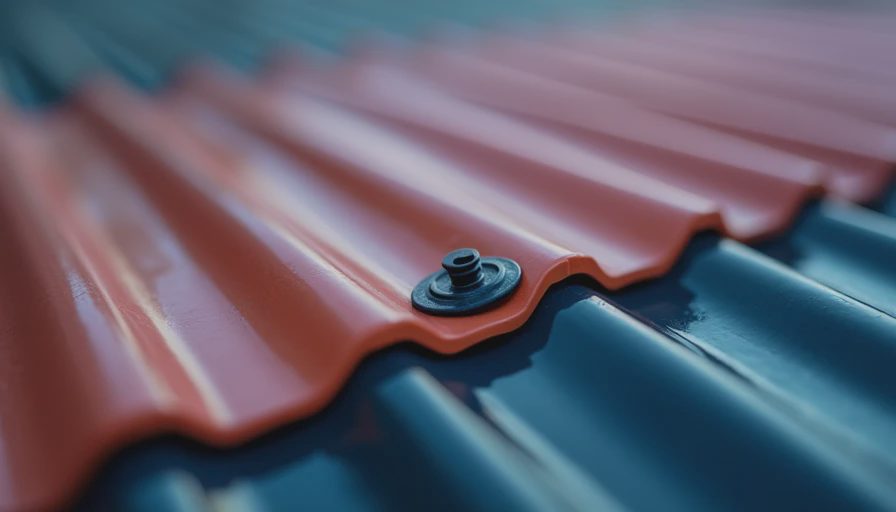
Are you considering a metal roof and wondering, can a metal roof go over shingles? You're not alone. Many homeowners see this as a way to save on labor and disposal costs. The short answer is yes, in many cases you can install metal roofing directly over existing asphalt shingles, but only if certain conditions are met. This isn't a universal yes, and skipping the right inspection can lead to expensive problems down the road.
What Does 'Going Over Shingles' Actually Mean?
When a contractor talks about a metal overlay, they leave the old shingles in place and attach metal panels over them. This avoids the cost and mess of tearing off the old roof. However, this only works with certain metal roofing types—usually screw-down or standing seam panels designed for solid decks. Building codes typically limit roofing to two layers total, so if you already have one layer of shingles, an overlay is often allowed. But if you have two layers, you usually can't add a third. The existing shingles must be flat, not curled or cupped, and the deck must be solid. Contractors use longer fasteners (screws or clips) that penetrate through both the metal and the shingles into the deck. An underlayment between the shingles and metal is recommended to reduce moisture trapping.
The Pros of Installing Metal Over Shingles
Cost is the main reason to go this route. A full tear-off can add $1,500 to $3,000 to your roofing bill. By overlaying, you save that money and also avoid disposal fees ($200–$500). The job goes faster—often one to two days instead of three or more. If your roof deck is in good shape and the shingles are less than 10 years old, an overlay can be a smart way to get the durability of metal without the extra cost. Some homeowners also appreciate that the old shingles add a bit of thermal mass and sound deadening. Plus, you create less waste for the landfill.
The Cons and Risks You Need to Know
But there are real downsides. Weight is a big one: asphalt shingles weigh about 2.5 pounds per square foot, and metal adds another 1–1.5 pounds. That total can push your roof structure beyond its design load, especially in snow-prone areas. Hidden problems are another risk. If the shingles underneath have rot, mold, or damaged decking, you won't see it until the metal leaks. Overlays can also trap moisture between layers, reducing ventilation and shortening the life of both roofs. Fastener issues are common: thermal expansion and contraction can loosen screws over time, creating leaks. Finally, some homebuyers and inspectors view overlays as a red flag because they can disguise underlying issues. That can hurt resale value.
Key Factors for a Successful Overlay
If you decide to go over shingles, these conditions improve your chances of success:
- **Roof slope:** Must be at least 3:12 for good water runoff. Steeper is better.
- **Shingle condition:** They should be less than 10 years old, with no curling, cracking, or missing granules.
- **Deck condition:** Inspect from the attic for rot, sagging, or water stains. The deck must be sound.
- **Ventilation:** Adequate ridge and soffit vents are essential to prevent moisture buildup under the metal.
- **Underlayment:** Use a vapor-permeable underlayment between the shingles and metal to allow trapped moisture to escape.
- **Local codes:** Confirm that your area allows overlays. Many codes cap at two layers total.
When Should You Absolutely Strip the Old Roof?
There are situations where going over shingles is a bad idea. If you already have two layers of shingles, adding a third is almost never allowed and can overload the structure. If the deck shows any rot or decay, you must replace it. Low-slope roofs (below 3:12) are prone to ponding and leaks with an overlay. In heavy snow or high wind zones, the extra weight and uplift forces make stripping safer. Also, if you plan to stay in the home long-term, a full tear-off gives you a fresh start with a better warranty. Many metal roof manufacturers require a clean substrate for their warranty to apply.
Frequently Asked Questions About Metal Over Shingles
**Will insurance cover a metal roof overlay?** Many homeowner insurance policies cover metal roofs as a replacement, but overlays may be treated differently. Some insurers require a full tear-off to qualify for premium discounts. Check with your provider before proceeding.
**Can I walk on a metal overlay?** Yes, but only on the panels' standing seams or support areas. Walking on flat areas can cause dents and damage the sealant. Use a specially designed roof walk pad if frequent access is needed.
**Does an overlay affect the roof's lifespan?** Properly installed, a metal overlay can last 30–50 years, but the underlying shingles may deteriorate faster due to trapped moisture. Expect to replace the entire assembly if the shingles fail before the metal.
**How much does a metal overlay save compared to tear-off?** Typically $1,000 to $3,000 depending on roof size and local labor rates. The savings come from avoided disposal and labor for removal.
Making the Decision: What to Do Next
Before deciding, get a thorough inspection from a reputable roofing contractor. Ask for a written report on the number of layers, deck condition, and slope. Get at least three quotes that include both an overlay and a tear-off option. Compare not just the price but the warranty and long-term durability. Remember, can a metal roof go over shingles? Yes, but only under the right conditions. Don't let a low upfront cost push you into a decision that leads to bigger repairs later. Fix the house you have, not the fantasy version of it. A metal roof overlay can be a smart budget-friendly move—if you verify the conditions first.