

If you own an older home, you have probably noticed that windows are a constant source of drafts, rot, and regret. One upgrade that often gets overlooked is the interior stone window sill. A well-chosen interior stone window sill can transform a drafty, damaged window area into a durable, attractive feature that lasts decades. But not all stone sills are created equal, and the installation can make or break the job. This guide walks you through the material options, the installation process, and the costs so you can decide if an interior stone window sill is the right fix for your house.
Why Your Old Home Needs an Interior Stone Window Sill
Old homes often have wooden window sills that are rotted, painted over many times, or simply ugly. Replacing them with stone solves several problems at once. Stone is waterproof, so it will not rot or peel. It also holds up to the sun better than painted wood. In a century home or a mid-century ranch, an interior stone window sill adds a solid, timeless look that matches the character of the house. Plus, it is easy to clean — just wipe it down. If you are already replacing windows, adding an interior stone window sill at the same time makes sense because the installation can be coordinated. A stone sill also helps prevent moisture from wicking up into the wall, a common problem in older homes with poor flashing. This is where people get talked into the wrong job — so get the material right first.

Comparing Common Stone Materials for Interior Sills
You have several options when choosing an interior stone window sill. Here is a quick comparison:
Marble: Classic, elegant, and heat-resistant. Marble is soft, so it can scratch and stain. It is also on the expensive side. For a kitchen or bathroom, marble works well if you are careful.
Granite: Hard, durable, and nearly maintenance-free. Granite resists scratches and stains. It comes in many colors. For a family room or bedroom, granite is a workhorse.
Limestone: Softer and more porous, with a matte finish. Limestone needs sealing and may show wear over time. It has a natural, old-world look that suits traditional homes.
Slate: Dark, layered, and very hard. Slate can be uneven in thickness. It is good for rustic or modern styles, but the color range is limited.
When comparing costs, granite is usually in the middle, marble higher, limestone slightly lower, and slate variable. For most old-home owners, granite offers the best balance of durability and value for an interior stone window sill. If you can score a remnant from a local countertop shop, you can get a high-end interior stone window sill for a fraction of the price.
What to Look for in a Quality Stone Sill
Not every stone slab is suitable for a window sill. Here are the key specs:
- Thickness: At least 3/4 inch, ideally 1 inch or more for a substantial feel.
- Edges: A flat or slight bevel is safest. Avoid sharp edges that can chip.
- Surface finish: Honed (matte) or brushed is better than glossy polished, which shows fingerprints and scratches.
- Length and width: Measure your window opening carefully. Order the sill to extend at least 1 inch beyond the window frame on each side, and about 1 inch beyond the wall surface for a small lip.
- Sealer: Most stone needs sealing. Ask the supplier if the interior stone window sill comes pre-sealed or if you need to seal it yourself.
Always ask for a sample before ordering. The color and texture can vary from the small swatch.
Installation: Can You DIY an Interior Stone Window Sill?
Installing an interior stone window sill is a moderate DIY job, but it demands precision. Stone is heavy and brittle. You will need at least two people to lift it into place safely.
Tools you will need: Measuring tape, level, circular saw with a diamond blade (or have the supplier cut the stone), construction adhesive, shims, caulk, and a grinder for any final shaping.
Steps:
- Remove the old sill if present. Cut any nails or screws flush.
- Clean the opening and ensure the sub-sill is level. Use shims to level if needed.
- Dry-fit the stone sill. It should fit snugly but not bind.
- Apply a generous bead of construction adhesive to the sub-sill.
- Carefully lower the stone onto the adhesive. Press down evenly.
- Check level and adjust with shims under the stone if necessary.
- Let the adhesive cure for 24 hours.
- Caulk the gap between the sill and the window frame, and between the sill and the wall. Be sure to use exterior-grade caulk if the sill is in a damp area like a kitchen or bathroom.
If you are not confident in your cutting or lifting ability, hire a professional. Many stone yards offer installation or can recommend a fabricator. The risk of cracking an expensive interior stone window sill during DIY is real.
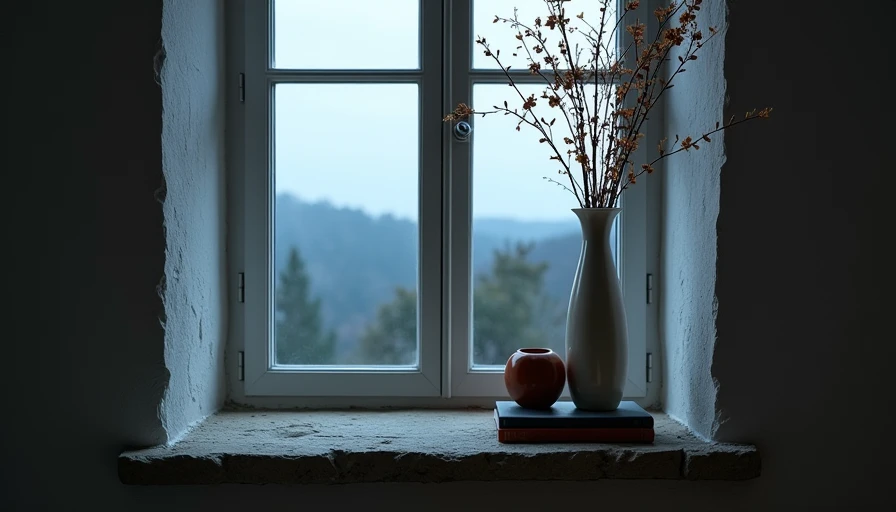
Cost Breakdown for Interior Stone Window Sills
Costs vary widely based on material, size, thickness, and labor. Here are rough estimates for a standard 36-inch-wide window opening:
- Material: Granite $50–$150 per sill, marble $80–$200, limestone $40–$120, slate $60–$160. Custom cuts and bullnose edges add $20–$50.
- Shipping/delivery: $30–$80 for local.
- Installation (if hired): $100–$250 per sill. Some companies charge per linear foot.
- DIY: You save labor but risk material waste. A cracked stone sill costs the same to replace as install. Some homeowners choose to install the stone sills themselves and hire a fabricator only for the cut and polish. That can save $50–$100 per sill.
For an entire house with 10 windows, expect to pay $1,500 to $4,000 depending on choices. Compare that to high-end wooden interior sills that rot again in a decade. The interior stone window sill pays for itself over time.
Final Thoughts: Is a Stone Sill Right for Your Home?
An interior stone window sill is a solid investment for an old home. It stops rot, improves energy efficiency if combined with proper window sealing, and increases the home's resale value. However, it is not a cosmetic quick fix. You need to address any window frame rot or air leaks first. If your window frames are beyond repair, consider full window replacement before installing a stone sill.
If you prioritize durability and low maintenance, an interior stone window sill is worth the upfront cost. If you rent or plan to sell quickly, a painted wood sill might suffice. As with any home improvement, fix the underlying problems first. If you are on the fence, try one window first. You will likely wish you had done them all.