
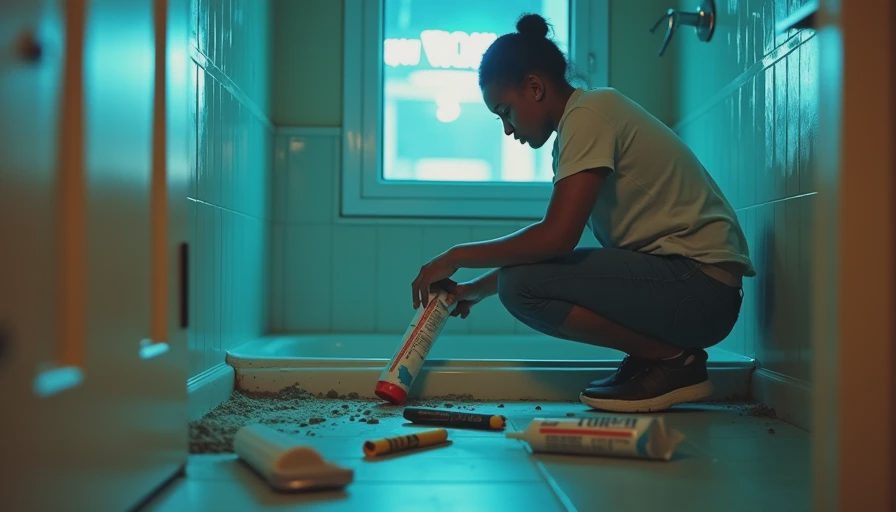
If you're tackling a shower reseal or just fixing a gap around a tile edge, you've probably asked yourself: is caulk or silicone better for showers? It's a fair question, and the wrong choice can mean peeling, cracking, or even water damage behind the walls. I've seen homeowners buy the cheapest tube at the big-box store and regret it within six months. Let's break down the real differences so you can pick the right sealant the first time.
What's the Difference Between Caulk and Silicone?
First, understand that the word "caulk" is often used as a blanket term, but technically there's a big difference between acrylic latex caulk and 100% silicone sealant. Acrylic caulk is water-based, cheaper, and easier to clean up. It’s paintable and works fine for low-moisture areas like baseboards or crown molding. But in a shower, where water is hitting the seams daily, acrylic caulk will eventually absorb moisture, crack, and fail.
Silicone, on the other hand, is rubbery, waterproof, and flexible. It adheres better to common shower materials like tile, glass, and porcelain, and it won't shrink or crack as the house settles. The downside? It's stickier to work with, smells stronger during application, and cannot be painted. Most pros reach for a 100% silicone when sealing wet areas.
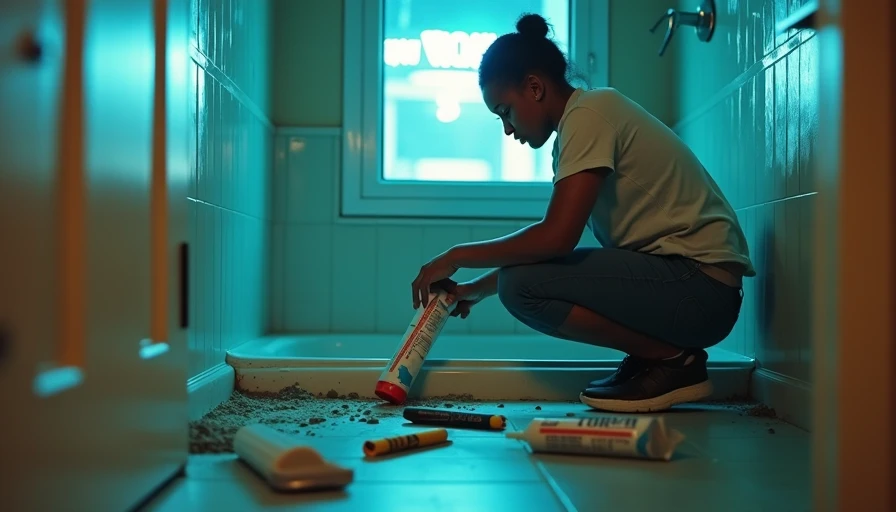
When to Use Caulk in Your Shower
There are a few places where a quality acrylic caulk might still make sense. If you have a shower-pan-to-tile joint that never gets direct spray, or if you're sealing around a shower door frame where you want to match the paint color, caulk is an option. Some budget-minded homeowners use it for temporary fixes before a full remodel. But know this: even the best acrylic caulk priced around $5–$7 per tube will likely need to be replaced every year or two. If you're okay with that maintenance schedule, it can save you a few bucks upfront.
I've used DAP Alex Plus in a guest bathroom that sees light use, and it held up for about 18 months before showing signs of peeling. For a primary shower used twice daily, that timeline would be cut in half.
When to Use Silicone for Shower Seals
For any joint that will see standing water or frequent splashing—like the bottom edge of a shower door, the corner where wall meets floor, and the seam between a tub and surround—silicone is the clear winner. 100% silicone sealants, such as GE Silicone 2 or Lexel, will last 5 to 10 years if applied correctly. They resist mold better than caulk, though no sealant is completely mold-proof in a damp environment.
You'll pay more—around $8 to $12 per tube for a good silicone—but the longer lifespan and reduced risk of water damage make it the more cost-effective choice over time. Replacing a failed caulk job every year adds up in money and hassle. And water intrusion behind tiles can lead to rot and costly repairs easily exceeding $1,000.
The Verdict: Which One Should You Choose?
So is caulk or silicone better for showers? For 90% of shower sealing tasks, the answer is silicone. It's simply more durable and waterproof. Reserve acrylic caulk for dry-area touch-ups or painted trim that won't see water. If you're resealing a shower floor or door—use silicone. If you're working around a window in the shower that needs to remain paintable—maybe use caulk. But even there, I'd recommend a paintable silicone if you can find one.

How to Apply Shower Sealant the Right Way
No matter which you choose, application technique matters just as much as the product. Start by removing all old caulk with a scraper or caulk remover tool. Clean the area with rubbing alcohol or a cleaner that leaves no residue. Let it dry completely. Apply a thin, even bead of silicone, then smooth it with a wet finger or a silicone tool. Let it cure for 24 hours before exposing it to water. A rushed job can cause adhesion failure within weeks.
I've used GE Silicone 2 in my own shower for five years now—still no cracks or gaps. The key is to not over-apply. Thicker beads actually peel off faster.
How Much Does Professional Sealing Cost?
If you're not comfortable doing it yourself, hiring a handyman costs $100 to $300 for a standard shower reseal, depending on your market and the complexity. A pro will also know exactly which product to use and how to prep the surface. Compare that to the cost of a DIY tube ($10–$15) and your time—if you value your weekend, the pro might be worth it. But for most shower sealing jobs, a careful DIY with 100% silicone will save you money and deliver excellent results.
The Bottom Line
When you're asking is caulk or silicone better for showers, remember this: silicone wins for water resistance and longevity; caulk wins for paintability and ease of use in dry areas. For your shower, use silicone. Your walls—and your wallet—will thank you.
Don't overthink it. Pick up a tube of 100% silicone, take your time with prep and application, and you'll have a leak-free shower seal that lasts years.