

If you own an older home, you've probably looked at your backyard and wondered if a pavilion would add usable space without a full addition. A metal roof pavilion is a popular choice because it combines durability with a clean, modern look. But before you call a contractor, let's walk through what you need to know. This is where people get talked into the wrong job, so understanding the basics will save you money and headaches.
A metal roof pavilion is essentially a freestanding or attached structure with a metal roof, designed to provide shade and shelter for outdoor living. The roof is usually made from steel or aluminum panels, which can be painted to match your home. For budget-conscious families, the appeal is longevity: a properly installed metal roof can last 40 to 70 years, far longer than asphalt shingles. That means you're not just buying a structure – you're buying decades of use with minimal upkeep.

Why Choose a Metal Roof for Your Pavilion?
The biggest reason homeowners go with a metal roof pavilion is the low maintenance. Unlike wood shingles that rot or asphalt that cracks, metal stands up to heavy rain, snow, and wind. If you live in an area with hail, metal can dent, but impact-resistant grades exist. Another advantage is heat reflection. A light-colored metal roof can reduce the temperature under the pavilion by 10 to 15 degrees compared to dark asphalt – a real benefit if you plan to spend summer afternoons out there.
Cost is a major factor. A typical metal roof pavilion for a 12x16 foot structure might run $3,000 to $6,000 for the roof materials alone, depending on gauge and finish. Add the frame, posts, concrete footings, and labor, and total cost often lands between $8,000 and $15,000. That’s less than a sunroom addition but more than a simple gazebo. You are not buying the product alone. You are buying the install, the timing, and the follow-through.
Installation Tips and Common Mistakes
If you're handy and the structure is simple, you can install a metal roof pavilion yourself. But most homeowners hire a contractor for the roof. Key things to get right: proper roof pitch (at least 3:12 to shed water well), solid framing that can support the weight of metal panels, and correct flashing at all seams. A common mistake is skimping on underlayment. Even though metal is waterproof, condensation can form underneath – a quality ice-and-water shield prevents hidden leaks. Another red flag: panels that are too thin. 29-gauge steel is standard for pavilions; anything thinner may buckle in high winds.
If you attach the pavilion to your house, pay attention to the connection. Improper flashing at the house wall is the #1 source of leaks. Use a continuous flashing that slides under your home's siding and over the metal roof. This is where people get talked into the wrong job – an easy-to-miss detail that can rot your house walls.
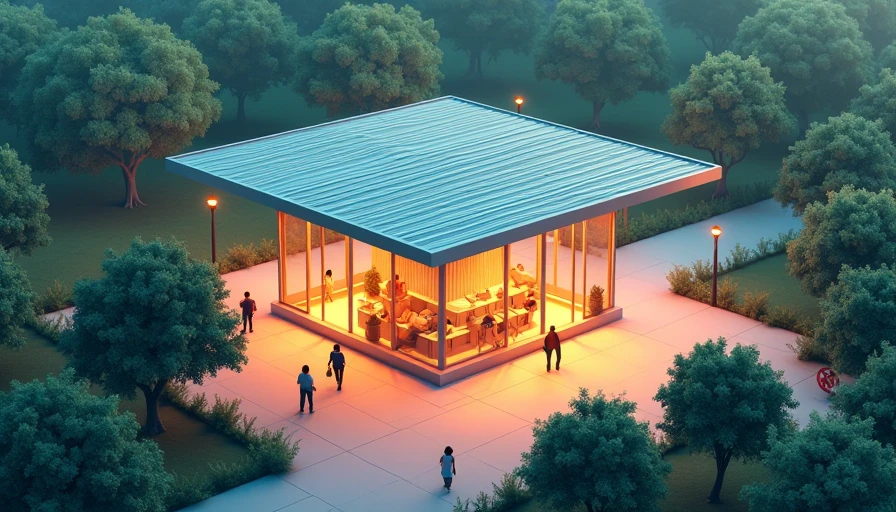
Is a Metal Roof Pavilion Right for Your Property?
Before you commit, check your local building codes and HOA restrictions. Some towns have setback requirements or limit roof colors. If you live in a snowy climate, you'll need a roof designed to shed snow loads – a steeper pitch and stronger rafters. Also consider the sun's path: will the metal roof reflect glare into your neighbor's windows? That can cause friction. There’s a difference between cosmetic ugly and expensive ugly – metal roof glare is more of a cosmetic issue, but it can lead to complaints.
For older homes, a metal roof pavilion can add value by creating a defined outdoor living area. Plus, it protects your deck or patio from weather, extending its lifespan. The upfront cost is significant, but if you plan to stay put for 10-plus years, the low maintenance and long life make it a smart investment.
Fix the house you have, not the fantasy version of it. A metal roof pavilion is a practical addition that enhances your home's usability without overbuilding. Start with a clear budget, get three quotes, and ask each contractor for references from jobs similar to yours. If everything lines up, you'll have a structure that serves your family for decades.
Maintenance and Longevity Checklist
To get the most out of your metal roof pavilion, follow these simple maintenance steps. First, clear debris like leaves and branches from the roof surface at least twice a year, especially after storms. Standing debris can trap moisture and accelerate corrosion at seams. Second, inspect the roof for loose screws or popped fasteners after high winds. Use a screwdriver to tighten them, but don't overdo it – metal expands and contracts with temperature, so fasteners need a little play. Third, check the gutters and downspouts (if you have them) for clogs. A blocked gutter can cause water to pool along the roof edge, leading to rust. Fourth, touch up any scratches or chips in the paint with a matching rust-inhibitive paint to prevent corrosion. Most manufacturers sell touch-up kits for under $20. Finally, re-seal any exposed fasteners or flashing points every three to five years with a quality silicone caulk. This simple routine can extend the life of your metal roof pavilion well beyond the 40-year mark, keeping it looking good and performing well through every season.