
If you own an older home with a metal roof, you have probably heard about metal roof snow guards vs snow rails. Both systems are designed to control how snow slides off your roof, but they work differently and cost different amounts. Making the wrong choice can lead to damaged gutters, dented cars, or even injury. Here is what you need to know to decide wisely.
Metal Roof Snow Guards vs Snow Rails: What's the Difference?
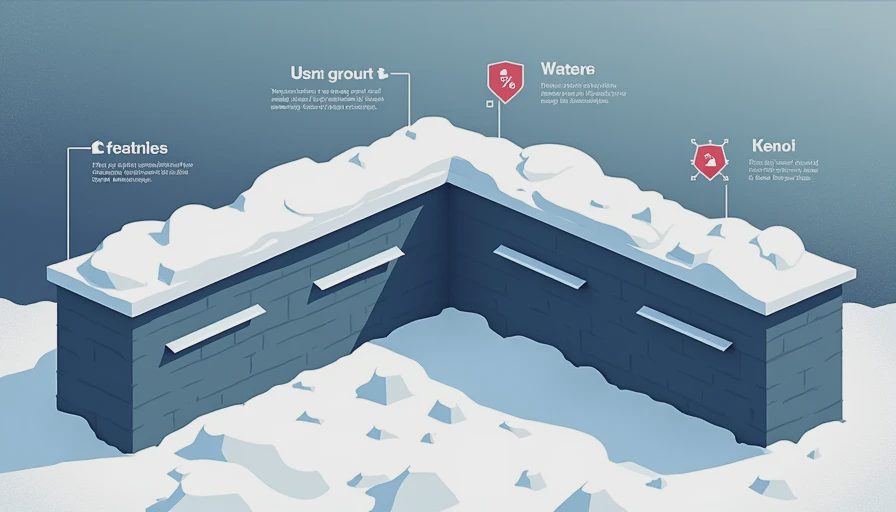
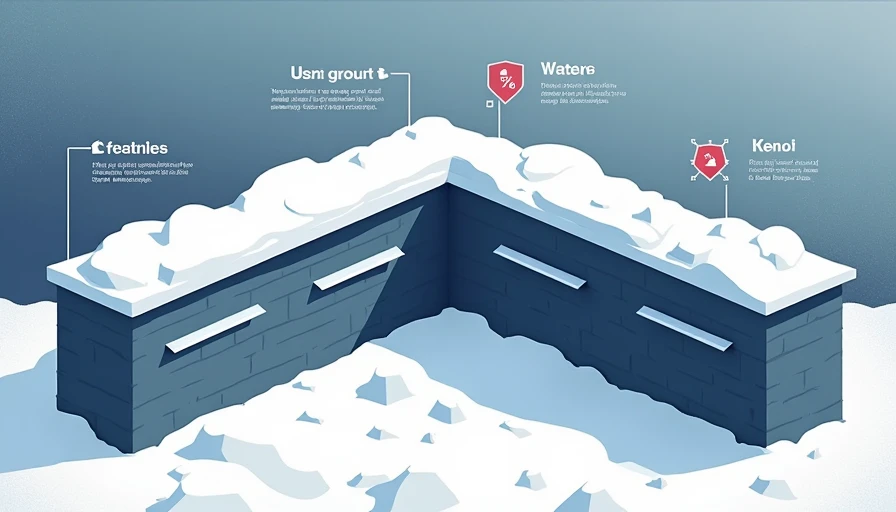
Snow guards are small metal brackets or pads that attach directly to the roof panels. They create friction points that hold snow in place, letting it melt gradually. Snow rails are long metal bars that run horizontally across the roof slope. They act like a dam, breaking up large sheets of ice and snow into smaller chunks that slide off safely. Both systems are mechanical attachments, not chemical treatments, and both require proper placement based on your roof's pitch and length.
Cost and Installation Differences
When comparing metal roof snow guards vs snow rails, cost is a major factor. Snow guards are generally cheaper per unit, but you need many of them spaced across the roof. A typical installation might cost between $200 and $600 for materials, plus labor if you hire a roofer. Snow rails cost more per linear foot, often $10 to $20 per foot installed. For a 30-foot roof eave, that adds up to $300 to $600. However, rails often cover the entire eave, so they can be more effective on steep roofs. Get at least three quotes from contractors who specialize in metal roofs.
Installation complexity also differs. Snow guards can be installed one at a time, often using clamps that attach to the standing seams of your metal roof without drilling. Snow rails require continuous support and often need screws into the roof deck, which means potential leak points if not flashed properly. If your roof is older, avoid drilling unless you are sure the underlayment is sound.
Which System Works Best on Older Homes?
For an older home with a metal roof that has some age, snow guards are often the safer choice because they minimize roof penetrations. However, if your roof is in good shape and you live in an area with heavy snowfall, snow rails can provide more consistent snow release. Consider the pitch of your roof. A steep roof (over 12/12) benefits from rails because snow accelerates too fast for guards alone. A flatter metal roof (3/12 to 6/12) might only need guards near the eaves. Also, think about what is below your roof. If there is a walkway or driveway, rails that break snow into smaller pieces reduce the risk of large slabs hitting someone.
Common Installation Mistakes to Avoid
Homeowners often make two mistakes. First, they assume any snow guard works on any metal roof. Actually, the type of metal (steel vs aluminum vs copper) and the profile (standing seam vs corrugated) determine which attachments are compatible. Second, they try to save money by installing only a few guards or rails near the peak. That leaves the lower roof vulnerable. Snow can accumulate above the guards and still slide off. Correct placement requires a layout plan that covers the entire roof area. A good contractor will calculate the snow load and spacing for your region.
Cost vs. Effectiveness: What Matters Most
It is tempting to pick the cheaper option, but remember you are not just buying hardware. You are buying protection for your roof and your family. A single large snow slide can cause thousands in damage. If you are on a tight budget, prioritize the most vulnerable areas like over doorways and walkways. You can install a few snow rails in those spots and use guards elsewhere. This hybrid approach keeps costs down while providing critical protection. Always factor in installation quality. A poorly installed rail that leaks water into your home costs more than the savings.

How to Choose Between Snow Guards and Snow Rails
Start by inspecting your roof. Look for signs of past ice damage like bent gutters or dents on the ground. Measure the roof pitch and length. Check your local building codes—some areas require snow retention systems on metal roofs. Then talk to two or three metal roof specialists. Avoid general roofers who rarely work with metal. Ask for examples of previous installations. When deciding between metal roof snow guards vs snow rails, consider your roof's pitch and condition. The best choice depends on your home's specific conditions, not a one-size-fits-all answer.
Frequently Asked Questions
Can I install snow guards on an old metal roof without damaging it? Yes, if you use clamp-on guards that attach to the standing seams. Avoid drilling into corroded panels. Do snow rails work on low-pitch roofs? They work best on pitches above 6/12. For flatter roofs, guards are more effective. How much does professional installation cost? Expect $200 to $800 total for a typical house, depending on system and roof size.
The Bottom Line
In the debate of metal roof snow guards vs snow rails, your specific needs matter. For most older homes, snow guards offer a less invasive, cost-effective solution. Snow rails are better for steep roofs and high-traffic areas. The key is to match the system to your roof's condition and your budget. Do not rush the decision. A little research now can prevent a dangerous slide later.