

Why Whole-House Renovations Break Families
We tried the big-bang approach on our first older home. Kitchen, bathrooms, floors, electrical — everything at once. Three months turned into eight. We lived in dust, ate takeout, argued over timelines, and watched the budget explode with surprises we could have handled better in phases. The second time we did one room at a time, focusing first on the kitchen as the heart of family life. The difference was night and day: less stress, better decisions, and a house that stayed livable.
In older homes, systems are interconnected and surprises hide everywhere. Trying to fix it all simultaneously amplifies every problem. A room-by-room strategy lets you learn, adjust, and stay sane.
Start With the Highest-Impact Room: The Kitchen
For most families, the kitchen is the priority. It affects daily meals, homework, and gathering. Tackle it first but do it intelligently.
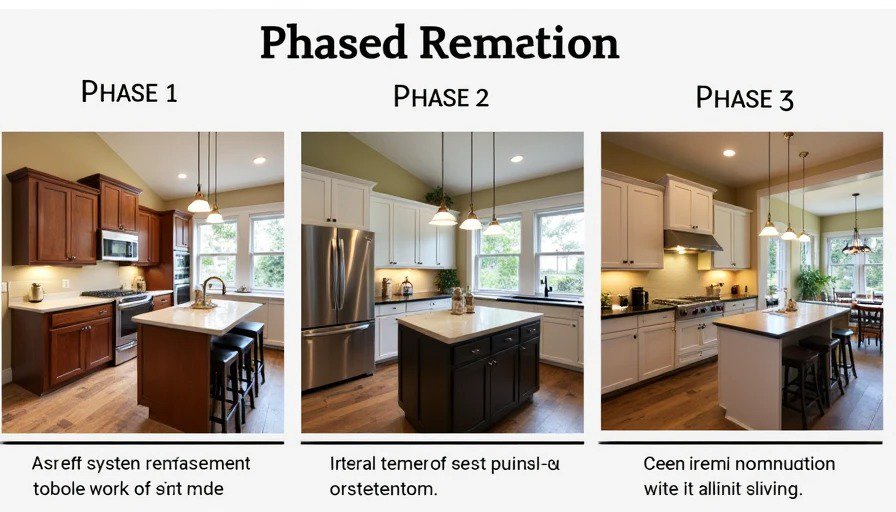
Logical kitchen sequence:
Week 1-2: Demo and full systems evaluation (plumbing, electrical, subfloor).
Week 3-4: Rough-ins and structural fixes while walls are open.
Week 5-6: Insulation, drywall, cabinets, and countertops.
Week 7-8: Flooring, trim, paint, and final details.
Protect living areas with heavy plastic sheeting, zip walls, and negative air machines if possible. Set up a temporary kitchen in the dining room or basement with a hot plate, microwave, mini-fridge, and sink access. It’s inconvenient but far better than no kitchen for months.
Jamie always reminds clients: “The pretty stuff looks great on day one. Living without a working kitchen for twelve weeks does not.”
Extend the Strategy Room by Room
Once the kitchen is done, move methodically. Prioritize based on your family’s pain points.
Recommended order for most older homes:
Kitchen (daily function)
Main bathroom (hygiene and sanity)
Primary bedroom (sleep and storage)
Living/family room (gathering space)
Secondary spaces and systems as budget allows
This approach lets you apply lessons learned. The electrical surprises we found in the kitchen informed better bids for the bathroom. Moisture issues discovered early prevented bigger problems later.
Key principles for each room:
Always address hidden systems first while access is easy.
Budget 20-30% contingency per room rather than one giant pot.
Complete one room fully (including punch list and cleaning) before starting the next.
Document everything — photos, receipts, warranties — as you finish.
This prevents the “half-finished house” feeling that drains energy and leads to poor decisions.
Budgeting and Contractor Management Room by Room
Breaking projects into rooms helps control cash flow. Pay for completed phases with clear milestones. Hire specialists per room when needed (plumber for kitchen/bath, electrician for whole-house circuits) but use a solid GC to coordinate.
Get bids that separate labor and materials clearly. In older homes, always include subfloor evaluation, moisture testing, and lead/asbestos checks where walls are disturbed.
During our second renovation, we finished the kitchen in ten weeks. Then took a short break to enjoy it before tackling the main bath. The breathing room reduced mistakes and let us save smarter for the next phase.
Living Through the Process Without Losing Your Mind
Practical survival tips:
Designate “clean zones” in the house that stay off-limits to construction.
Schedule major noisy/dusty work during weekdays when kids are at school.
Use HEPA air scrubbers and daily cleanup routines.
Keep one bathroom and sleeping area fully functional at all times.
Plan meals and routines around the temporary setup.
The emotional side matters too. Celebrate each completed room. Take before-and-after photos as motivation. Involve the family in decisions so everyone feels ownership instead of victimhood.
Alex’s inspector perspective: “Families who renovate room by room make calmer, better financial choices. They see the real condition of each space before committing more money.”
Common Pitfalls to Avoid
Starting multiple rooms simultaneously — this is where chaos lives.
Skipping proper protection between phases.
Changing scope mid-room because “we’re already here” (scope creep kills budgets).
Rushing the final finishes to “just get it done.”
We made all these mistakes first time around. Second time we stuck to the plan and finished with money left over and far less regret.
Making the Room-by-Room Approach Work Long Term
Once you establish the rhythm, continue with maintenance and smaller upgrades. After the big rooms, tackle systems like full electrical or roofing as standalone projects. The discipline carries over.
Document the entire process. Your records become invaluable for future insurance, resale, or additional work. A well-planned room-by-room renovation turns an overwhelming older home project into a series of achievable wins.
This method respects the realities of older houses — their hidden issues, your family’s need for normalcy, and the limits of any budget. It delivers a better final result because you stay focused and learn as you go.
Families who try to live through a full-house gut renovation often end up hating the process and sometimes the house itself. Those who go room by room build something they actually love living in, one functional space at a time.
Start with the room that causes the most daily pain. Plan it thoroughly. Execute with discipline. Protect what you’ve finished. The house will thank you, and so will your family.