When you’re tackling a flat roof project, choosing the right plywood for flat roof is one of the most important decisions you’ll make. The wrong material can lead to sagging, leaks, and costly repairs down the line. In this guide, we’ll walk you through the key factors—thickness, grade, and exposure rating—and help you pick the best plywood for your budget and climate.
Why the Right Plywood for Flat Roof Matters
Flat roofs are notorious for water pooling and moisture exposure. Unlike sloped roofs that shed water quickly, flat roofs rely on a perfectly sealed membrane and a solid substrate. The plywood for flat roof acts as the structural base. If it’s too thin, it can deflect under snow load or foot traffic. If it’s not rated for moisture exposure, it can delaminate and rot. Many homeowners make the mistake of using standard interior-grade plywood, only to find it failing within a year. This is where people get talked into the wrong job. The correct plywood for flat roof should be exterior-grade, often CDX or better, with a thickness of at least 5/8 inch for spans up to 24 inches on center. Some building codes require 3/4 inch for heavier loads.
Plywood Thickness and Grade for Flat Roofs
Choosing the correct plywood for flat roof prevents future headaches. The two most common thicknesses are 5/8 inch and 3/4 inch. For most residential flat roofs, 5/8 inch is sufficient if your rafters are spaced 24 inches apart. If you have wider spacing or plan to install heavy roofing materials like modified bitumen, go with 3/4 inch. The grade matters just as much. CDX is the standard exterior-grade plywood, with a C-grade face and D-grade back. It’s treated with exterior glue but not pressure-treated. For better moisture resistance, consider ACX or BCX, which have a smoother face and fewer voids. You’ll pay a premium—around $45-60 per sheet versus $30-45 for CDX. But for a flat roof, the extra cost is worth it to avoid delamination. Another option is OSB (oriented strand board). It’s cheaper—$25-40 per sheet—but absorbs moisture easily and can swell at the edges. For flat roofs, many contractors prefer plywood over OSB because it holds fasteners better and is more dimensionally stable.
CDX vs. OSB – What’s Better for a Flat Roof?
You are not buying the product alone. You are buying the install, the timing, and the follow-through. CDX plywood is the traditional choice for flat roofs because of its long track record. It resists moisture better than OSB, especially if the roof leaks before the membrane is installed. OSB, on the other hand, is more susceptible to water damage. If it gets wet, it can swell and lose structural integrity. For a flat roof, where moisture is a constant concern, CDX is generally the safer bet. However, there are engineered alternatives like AdvanTech, which is an OSB product treated for moisture resistance. It costs more—around $50-70 per sheet—but offers superior performance. If you’re on a tight budget, standard OSB might work if you can guarantee dry conditions during installation and a fast roofing job. But remember, one rainstorm during construction can ruin a whole stack of OSB. This is where many DIYers regret cutting corners.
Installation Tips and Common Mistakes to Avoid
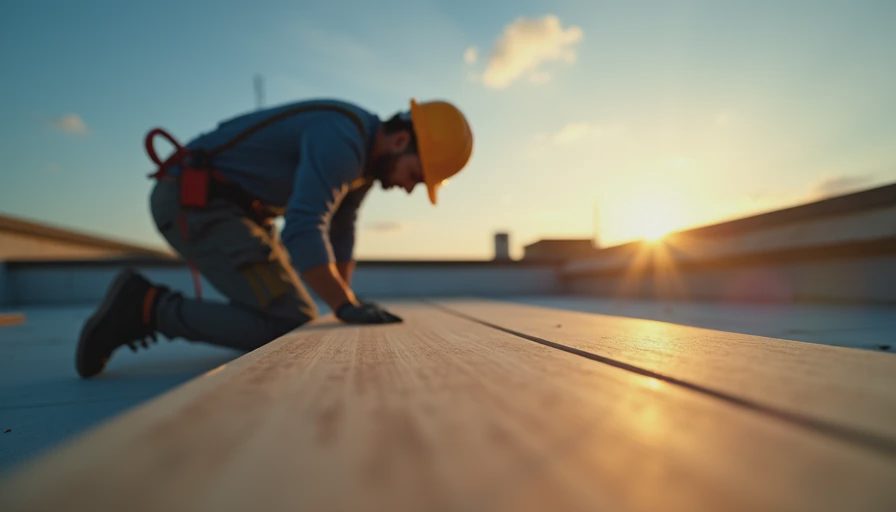
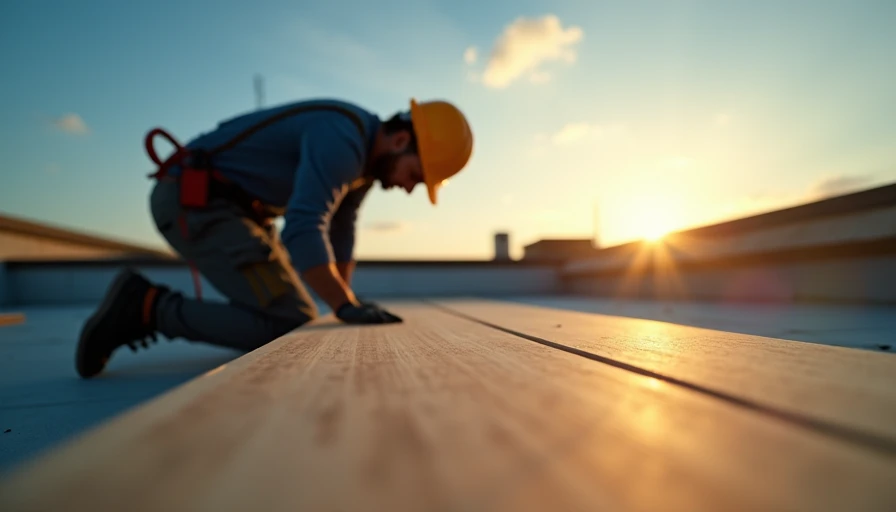
When installing plywood for flat roof decks, start by checking your deck for level and soundness. Replace any rotted sections. Use screws or ring-shank nails to secure the plywood, and leave a 1/8-inch gap between sheets for expansion. Stagger the seams so they don't align. A common mistake is using the wrong fastener length—make sure they penetrate the rafters by at least 1 inch. Another red flag: ignoring the exposure rating. Even exterior-grade plywood can degrade if left uncovered for weeks. Plan to install the roofing membrane as soon as possible after the plywood is down. If you have to delay, cover the plywood with a temporary waterproof membrane or at least a tarp. This is where people get talked into the wrong job by contractors who promise quick installation but leave the plywood exposed.
Cost Comparison and Budget-Friendly Options
So how much should you expect to spend? For a typical 1,000-square-foot flat roof, you’ll need about 32 sheets of plywood (assuming 4x8 sheets). At $35 per sheet for CDX, that’s $1,120. OSB might run $800, but the risk of water damage could cost you more in the long run. If you choose premium plywood like ACX or BCX, expect to pay $1,500 or more. Don’t forget the cost of fasteners, underlayment, and the membrane itself. A complete flat roof replacement with plywood and a built-up or modified bitumen system can run $5,000 to $12,000 depending on size and location. To save money, consider buying seconds or overruns from local lumberyards. Check for damaged edges or slight warps—these can often be used for smaller sections. But never sacrifice grade or thickness for a discount. The structural integrity of your roof depends on the quality of the plywood for flat roof.
When to Call a Pro vs. DIY
If your flat roof is small—say a porch or shed—and you have basic carpentry skills, you can likely handle the plywood installation yourself. But for a main house roof, especially one with complex penetrations like vents or skylights, consider hiring a professional. The cost of a mistake—like an uneven deck or improper fastener pattern—can be higher than the labor savings. A qualified roofer will also ensure the correct plywood for flat roof is specified and installed per code. Before hiring, ask what grade and thickness they plan to use, and get it in writing. Many contractors will default to OSB to save money. Push for CDX or better. You are not buying the product alone. You are buying the install, the timing, and the follow-through. Most local building codes require a minimum of 5/8-inch exterior-grade plywood for flat roofs, but some areas may require 3/4 inch, especially in snow zones. Always check with your building department before starting. A permit may also be required. Don't skip this step—it can save you from having to tear off the roof later.