
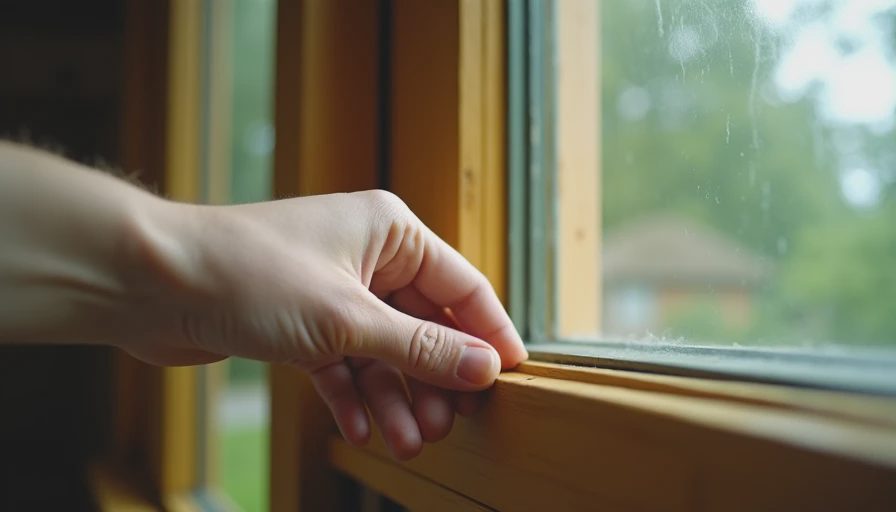
If your older home has windows with divided lights, you already know that the muntins—those vertical and horizontal bars that separate panes—can rot, warp, or just look tired. Replacement muntins for windows are not a one-size-fits-all product, and the wrong choice can leave your house looking off or performing poorly. This guide walks through what you need to know before buying, so you don't waste money or compromise your home's character.
When to Repair Rather Than Replace Muntins
Not every damaged muntin needs a full replacement. If the wood is solid but the paint is peeling, a proper scraping, priming, and repainting can buy you years. This is where people get talked into the wrong job—a contractor may push full replacement when a little wood filler and paint would do. Check for rot by probing with a screwdriver. Soft, crumbly wood means replacement. Hard but stained wood? That is repairable. For true divided-light windows (each pane separate), you can sometimes replace a single muntin bar by cutting a new piece of wood to match the profile and glazing it back in. That costs pennies compared to a whole sash.
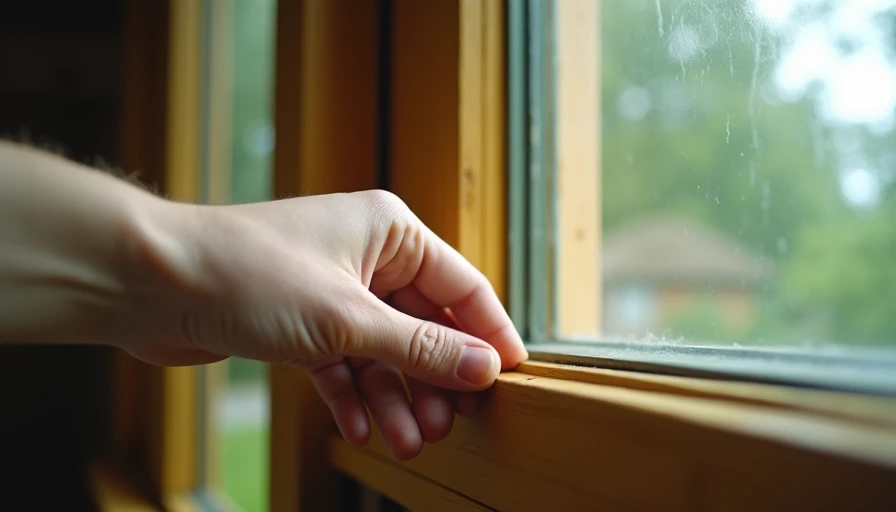
The Main Types of Replacement Muntins for Windows
Manufacturers offer several approaches, depending on your window style and budget. The most common are:
- Grilles between glass (GBG): These are aluminum or plastic muntins sealed inside the insulating glass unit. They look reasonably authentic from a few feet away and require zero maintenance because they are protected from weather. But if the seal fails, you replace the entire glass unit, not just the grille. Brands like Andersen and Pella use this system on many of their replacement windows.
- Removable snap-in grilles: These plastic or wood pieces attach over the glass via clips. They are easy to clean and remove for painting, but they lack the deep shadow lines of true divided lights. On a historic home, they can feel cheap.
- Full sash replacement: This means replacing the entire window sash with one that has true divided lights or simulated divided lights with durable exterior grilles. It is the most expensive option but gives the best match to original wood windows. Companies like Marvin and Weather Shield offer this.
Cost: What You Are Really Paying For
Replacement muntins for windows vary wildly in price. A single snap-in grille kit for a standard double-hung window runs $15–$40. A grille-between-glass upgrade from a major manufacturer adds roughly $50–$150 per window during a replacement order. A full sash replacement with true divided lights can cost $300–$700 per sash, depending on wood species and custom sizing. You are not buying the product alone—you are buying the install, the timing, and the follow-through. A pro installation on a full sash adds another $100–$250 per window. If you are handy, you can install snap-in grilles yourself in 15 minutes. But for GBG or full sash, you need a window pro.
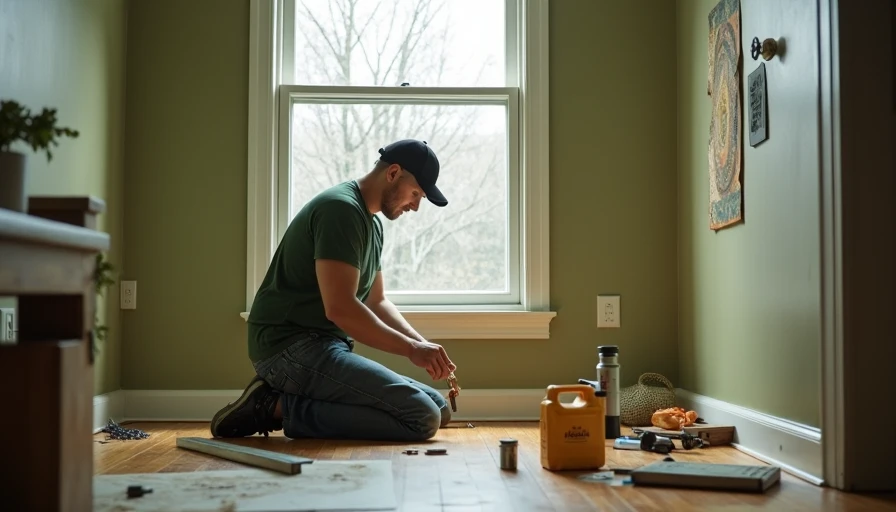
Matching the Original Look
Fix the house you have, not the fantasy version of it. If your 1920s bungalow originally had true divided lights, pop-in plastic grilles will look wrong even from the street. Check your old sashes: measure the muntin width (typical range 5/8 to 1 inch), the spacing between bars, and the profile shape. Some millwork shops can custom-mill replacement muntins from clear pine or oak to exactly match your original cross-section. This is the best way to keep the historic look without ripping out all your windows. Expect to pay $10–$20 per linear foot for custom milled wood. Then you paint and glaze them in. It takes time, but the result is worth it.
Common Mistakes That Cost You
Three errors show up again and again. First, mixing materials: using white vinyl snap-in grilles on a wood window that is painted a deep color—the grilles will stand out and never match. Second, ignoring the glass: if your old single-pane windows have nice wavy glass, putting in modern grilles with flat glass changes the character. Consider reglazing instead. Third, underestimating the labor of proper installation: even snap-in grilles need careful positioning and trimming to fit the sash exactly. A sloppy install looks worse than no grilles at all. Take your time or hire a finish carpenter who understands older windows.
Final Thoughts
Replacement muntins for windows are a small detail that makes a big visual difference. Whether you choose a quick snap-in fix or a custom milled solution, the key is matching the style of your home and the quality of the original. Do not let a salesperson upsell you into a full window replacement if your sashes are still sound—replacing just the muntins (or adding them) can refresh the look for a fraction of the cost. Measure twice, match the profile, and you will keep your home looking the way it was meant to.
Measuring and Installing Replacement Muntins for Windows
Before you order, measure the exact dimensions of your existing muntins or the opening where they go. For snap-in grilles, you need the width and height of the glass panel. Use a steel tape measure and record in inches to the nearest 1/16. For GBG (grilles between glass), you must specify the exact grid pattern when ordering the new insulating glass unit. Standard patterns are 2 wide x 3 tall or 1 wide x 2 tall. For custom wood muntins, trace the profile of the original bar onto paper and take it to a millwork shop. They can match the shape and cut the pieces to length. When installing, use a razor blade to trim any excess plastic from snap-in grilles so they fit flush. For wood muntins, apply a coat of primer and two coats of exterior paint before glazing. This prevents moisture from seeping into the wood and causing rot. Check that the grilles are level and square. A bubble level can help. Finally, apply a consistent bead of glazing putty around each joint and smooth it with a putty knife. Let it cure for a week before painting. With these steps, you avoid the common mistakes and get a professional-looking result. If you are replacing muntins on a Colonial Revival home, pay attention to the corner joinery. Original muntins often had mortise-and-tenon joints; modern replacements may use biscuits or glue. For a true match, order custom milled pieces with through-tenons.