

If you're working on an older house, every roofing decision feels heavier. One ridge vent material can mean the difference between a roof that breathes for thirty years and one that fails in ten. Ridge vents sit at the peak of your roof, letting hot air escape and keeping the attic dry. But not all ridge vent material is built for the weight of snow, the bake of summer, or the way an old roof settles over time.
Why Ridge Vent Material Matters
A ridge vent does one thing: it exhausts hot, humid air from your attic. But the material it's made from determines how well it holds up against weather, how easy it is to install on an existing roof, and whether it'll crack, rust, or warp. On an old home, you're often working with a roof that has already moved or sagged slightly. The wrong ridge vent material can break under that stress, or it can fail to seal properly, leading to leaks.
Metal vs. Plastic Ridge Vents: Which Lasts?
The two most common ridge vent materials are metal (usually aluminum or galvanized steel) and plastic (polypropylene, PVC, or ABS). Metal vents are heavier, more durable, and better at shedding heat. Plastic vents are lighter, cheaper, and easier to cut, but they can become brittle after years of UV exposure. For an old home with a steep pitch or heavy snow load, metal is usually the safer choice. Plastic is fine for moderate climates and straightforward installations, but it's more likely to crack if you walk on it during repairs.

Comparing Common Ridge Vent Materials
Aluminum Ridge Vents
Aluminum is the most popular ridge vent material. It's rust-proof, lightweight enough to handle, and easy to cut with tin snips. It also takes paint well, so you can match it to your roof color. The downside? Aluminum dents easily if you drop a bundle of shingles on it. On an old roof with patched decking, a dented vent may not lay flat, creating a gap for water.
Galvanized Steel Ridge Vents
Steel is stronger than aluminum and resists denting. It's the ridge vent material that professional roofers often prefer for high-wind areas or steep slopes. The galvanized coating prevents rust, but if you cut it, the exposed edges can rust over time. On a historic home, a steel vent can be painted and will hold up for decades.
Plastic Ridge Vents (PVC/ABS/Polypropylene)
Plastic vents are the budget option. A 10-foot piece may cost half what aluminum does. They're easy to cut with a utility knife and don't dent. But UV rays degrade plastic over 10 to 15 years. On a roof with a 30-year shingle, that means you'll likely replace the vent before the shingles. On an old home, that's another project you don't want. Also, the lower melting point can be a concern if you're in a hot climate, though modern polypropylene handles most residential temperatures.
Copper Ridge Vents
Copper is the premium ridge vent material, often used on historic restorations or high-end homes. It's extremely durable, won't rust, and develops a beautiful patina. The cost per linear foot can be triple that of aluminum. For most old homes, copper is overkill unless you're matching original flashing or want the look.
How to Choose the Right Material for Your Roof
Start by looking at your roof's slope, climate, and budget. If you live in a region with heavy snow or hail, pick a sturdy ridge vent material like galvanized steel. For coastal homes with salt air, aluminum or copper resist corrosion better than steel. On a low-slope roof where you rarely walk, plastic can work fine. Also consider the color: dark vents absorb heat and can distort plastic faster, so metal is better for dark-colored roofs.
Installation Tips for Old Roofs
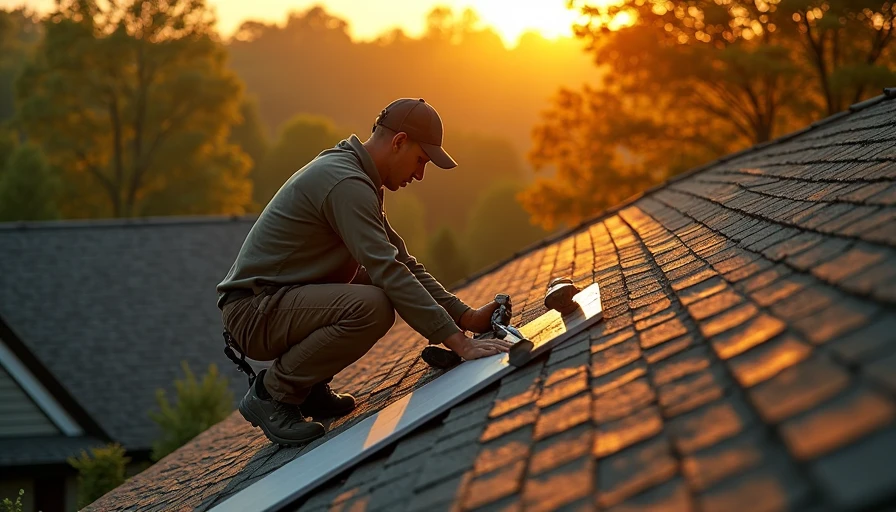
Old roof decks are rarely perfectly straight. The best ridge vent material is one that can flex slightly to follow the crown. Aluminum and plastic both have some give, but galvanized steel is stiffer and may not conform to a wavy ridge. Always install a drip edge under the ridge vent to prevent wicking. And nail the vent at the correct exposure — many DIYers nail too close to the end, leaving no room for expansion. This is where people get talked into the wrong job. A good ridge vent material installed poorly is worse than no vent at all.
Final Verdict: Best Ridge Vent Material
For most old homes, aluminum ridge vents offer the best balance of durability, cost, and ease of installation. They won't rust, they're paintable, and they have enough flex to handle a less-than-perfect ridge. If you've got snow loads or high winds, go with galvanized steel. If you're on a tight budget and your roof gets moderate weather, plastic can last, but expect to replace it sooner. Whichever ridge vent material you choose, pair it with proper intake soffit vents — that's where most ventilation systems fail, not at the ridge.