

If you own an older home with a septic tank, you've probably heard about the **sewer tie in** process. A **sewer tie in** means connecting your home's plumbing to the municipal sewer system instead of relying on a private septic system. This is a major project that can cost thousands, but it's often required or highly beneficial. Here's what you need to know before you sign a contract.
What Is a Sewer Tie In?
A **sewer tie in** is the physical connection between your home's main sewer line (the pipe that carries all wastewater from your sinks, toilets, and showers) and the public sewer main that runs under your street. It involves digging from your house to the street, installing a new pipe, and tapping into the city's line. You are not buying the product alone; you are buying the install, the timing, and the follow-through.
This is a job for a licensed plumber and often requires permits from your local municipality. The city may also need to inspect the connection before you can use it. Don't let a contractor talk you into skipping permits — that can lead to fines and rework.

Why You Might Need a Sewer Tie In
There are a few common scenarios where homeowners seek a **sewer tie in**:
- **Septic system failure:** If your septic tank is old, leaking, or failing, replacing it can cost $5,000–$15,000. A **sewer tie in** might be a better long-term investment, especially if the city sewer is already at the street.
- **Home sale requirements:** Some buyers won't finance homes with septic systems, or local regulations require connection when the property is sold.
- **New construction or major renovation:** If you're adding a bathroom or expanding, the city may require you to tie into the sewer.
Many homeowners think a **sewer tie in** is only for rural properties, but it's also common in older suburbs where neighborhoods are transitioning from septic to sewer. This is where people get talked into the wrong job — make sure you understand the real need before proceeding.
Steps to Complete a Sewer Tie In
Every **sewer tie in** follows a similar sequence. Here's a step-by-step outline:
- **Check with the city:** Call the public works department to see if sewer service is available at your property line. They'll also tell you about fees, permit requirements, and any restrictions.
- **Hire a licensed plumber:** Get at least three bids. Ask about experience with **sewer tie in** projects specifically. A good plumber will include a site survey and a quote for trenching, pipe materials, and connection fees.
- **Obtain permits:** Your plumber usually handles this, but confirm. The city will inspect the trench depth, pipe slope, and the actual tap into the main line.
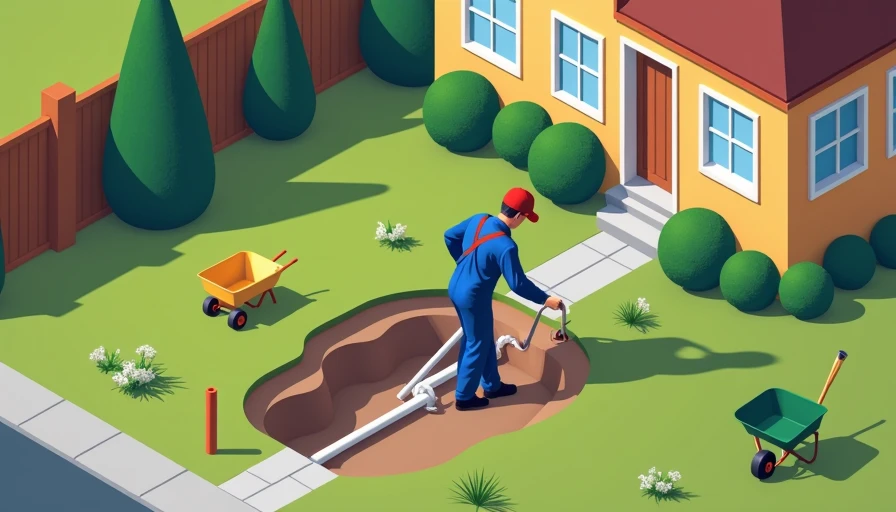
- **Excavation:** A crew digs a trench from your house to the street — typically 4–6 feet deep. This is the messy, disruptive part. Expect your yard to be torn up for a few days.
- **Pipe installation:** A 4-inch PVC pipe is laid on a bed of sand with proper slope (usually 1/4 inch per foot). The pipe must be bedded and backfilled carefully to avoid future settling.
- **Connection to city main:** This requires a specialized tapping saddle or a new wye installed by the city or a licensed contractor. The city may do this part themselves.
- **Inspection and backfill:** After the city inspects, the trench is backfilled and the yard is restored (though not always to perfection — ask about that).
Costs and Permits
A typical **sewer tie in** costs between $3,000 and $15,000, depending on distance, soil conditions, and local permit fees. The main cost drivers are excavation, pipe materials, and city connection fees. In some areas, the city charges $1,000–$5,000 just for the right to connect.
Don't forget the cost of abandoning your septic tank. You'll likely need to pump it and either fill it with gravel or have it removed — figure $500–$2,000 extra.
Permits are not optional. A proper **sewer tie in** requires a plumbing permit and sometimes a street cut permit if you dig into the roadway. Skipping permits can result in fines or worse: a failed inspection that forces you to redo the work.
Common Mistakes and How to Avoid Them
Here are the pitfalls that turn a straightforward **sewer tie in** into a money pit:
- **Not verifying the sewer location:** The city's sewer main might be on the other side of the street, requiring a bore under the road — that's a huge cost increase.
- **Choosing the cheapest plumber:** Low bids often mean shallow trenches, incorrect pipe slope, or poor backfill. This leads to future blockages or sinkholes.
- **Ignoring the septic abandonment:** If you don't properly decommission the old tank, it can collapse or cause yard voids.
- **Forgetting to mark utilities:** Always call 811 before digging. Hitting a gas line or electrical conduit can be dangerous and expensive.
A good rule: There's a difference between cosmetic ugly and expensive ugly. A **sewer tie in** is the kind of infrastructure you want to pay for once, correctly.
Is a Sewer Tie In Worth It?
For many homeowners, a **sewer tie in** adds long-term value. It eliminates septic maintenance, reduces the risk of system failure, and can make your property easier to sell. But if your septic system is still in good shape and you're not required to connect, it may not be urgent. Fix the house you have, not the fantasy version of it.
If you decide to move forward, get multiple bids, confirm permits, and budget for surprises. A well-executed **sewer tie in** is an investment that pays off in reliability and peace of mind.