
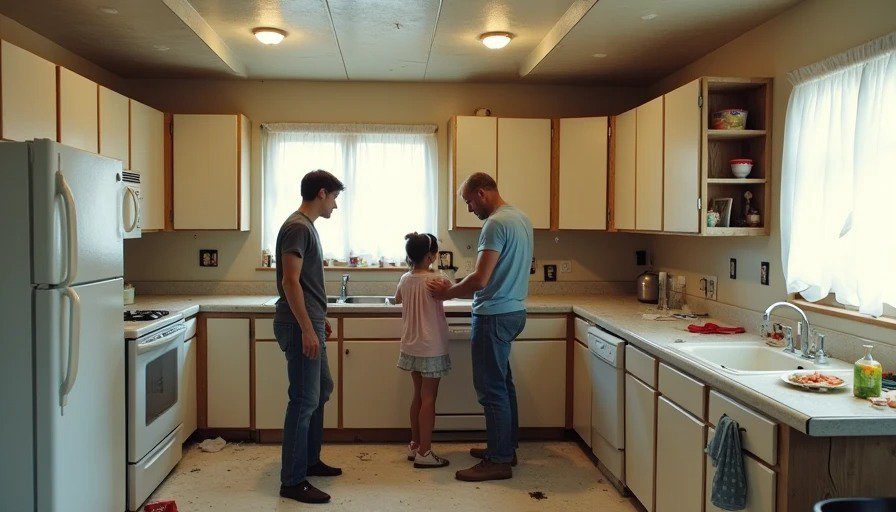
The Kitchen Where Everything Was Done Right — Except Timing
The contractor was solid. Licensed, experienced, good references. The cabinets were quality plywood, the quartz counters beautiful, the plumbing updates necessary. But the family pushed to “get the floors in early so we can live somewhat normally.” Big mistake.
Once the new LVP went down, we still had to open walls for final electrical and plumbing tweaks, run HVAC adjustments, and deal with a couple of unexpected subfloor issues. Dust, dropped tools, and foot traffic from other trades turned the new flooring into a scratched, dented mess that needed repair before we even installed the trim. The family ended up paying extra for protection, touch-ups, and extended living in chaos. The contractor wasn’t the problem. The timing was.
I’ve seen this pattern repeatedly as a GC who started as a trim carpenter. In older homes, timing and sequence often matter more than the quality of any single trade.
Why Timing Beats Perfection in Older Homes
Older houses have surprises behind every wall: settled framing, hidden plumbing runs, outdated wiring that doesn’t play nice with modern loads, and moisture history. You can’t plan every detail upfront. The smartest approach accepts that and builds a logical sequence that minimizes rework.
Rushing any phase or doing finishes too early guarantees you’ll damage them when you inevitably have to go back in.
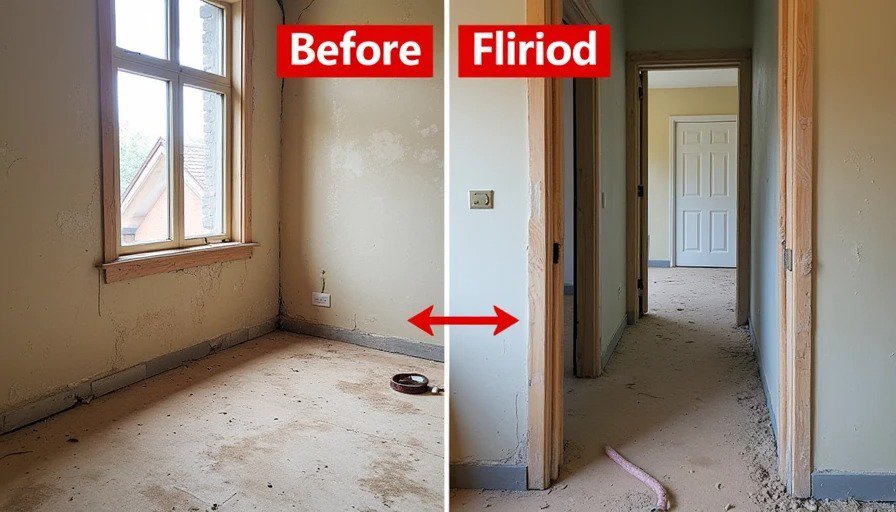
The Right Sequence for a Family Kitchen Remodel
Here’s the practical order I push on every older-home kitchen project:
Phase 1: Planning and Demolition
Full inspection of existing systems.
Permit acquisition.
Clear scope and written agreements with all trades.
Demo everything down to the studs where possible. This is when you find the real problems.
Phase 2: Rough-Ins (The Most Important Timing Window)
Plumbing repipes and new lines while walls are fully open.
Electrical upgrades, new circuits, panel work, lighting rough-in.
HVAC adjustments or ductwork if needed.
Any structural repairs (sistered joists, subfloor fixes).
Moisture remediation and insulation.
This is the phase where you want maximum access. Doing this after new floors or cabinets is painful and expensive.
Phase 3: Closed Walls and Substrate
Drywall, taping, and priming.
Subfloor prep and leveling.
Backer board for tile areas.
Phase 4: Major Installs
Cabinets.
Countertops.
Flooring (after cabinets if possible to reduce damage risk).
Sinks and plumbing fixtures.
Phase 5: Finishes (Last)
Trim, caulk, paint.
Hardware, lighting fixtures, appliances.
Final punch list and cleaning.
Jamie’s rule on every job: “Finish work is last for a reason. Everything else beats it up.”
Common Timing Mistakes That Cost Families Thousands
Installing floors too early. New LVP or hardwood looks great until the cabinet crew or plumbers start dragging ladders and dropping fittings on it. Protect it heavily or install it later.
Painting before all dusty work is done. Dust from drywall sanding or tile cutting settles into fresh paint. Always do final paint coats after major installations.
Ordering cabinets or countertops before rough-ins are 100% complete. Measurements taken too early lead to expensive change orders when you discover you need to move a drain or add an outlet.
Rushing the move-in. As I covered in flooring articles, bringing furniture back before everything has settled and been protected creates immediate damage.
Ignoring seasonal timing. In colder climates, doing plumbing work in winter when pipes can freeze during open-wall phases adds unnecessary risk. Plan around weather when possible.
One family insisted on having the kitchen “usable” by Thanksgiving. We rushed the countertops before final plumbing adjustments. A minor leak under the sink during testing required pulling the new counters and damaging the cabinet base. Thanksgiving was takeout anyway, and they paid extra for the rework.
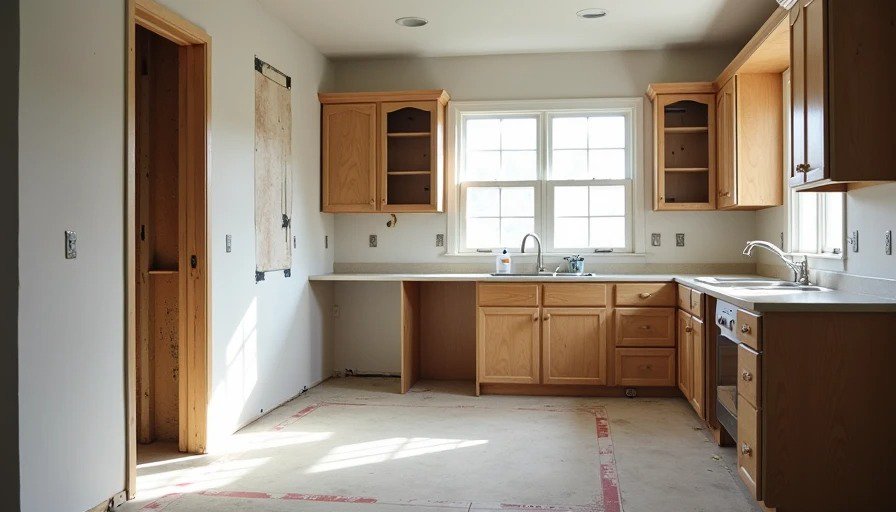
How to Protect Yourself on Timing
With contractors:
Demand a detailed project timeline with clear phase dependencies.
Include milestone payments tied to completed phases, not just calendar dates.
Require protection plans for finished work (floor coverings, plastic sheeting, walk boards).
Build in contingency time — older homes almost always need extra days.
As the homeowner:
Decide upfront how much disruption you can realistically handle. Living in the house during a full kitchen gut is tough with kids.
Plan temporary kitchen space elsewhere (basement, garage, dining room setup).
Document everything with dated photos at the end of each phase.
Stay flexible — the best contractors adjust when surprises appear, but the sequence must stay logical.
Real Cost of Bad Timing
Protecting and repairing damaged new flooring: $2,000–$6,000
Pulling and reinstalling counters or cabinets for missed rough-ins: $1,500–$5,000+
Extended project timeline and living expenses: Hundreds per week
Stress and family arguments: Hard to quantify but very real
In our homeowner contributor’s first renovation, poor timing extended the project by six weeks and added roughly $8,000 in avoidable costs and temporary housing. Second time, strict sequencing saved money and sanity.
After the Project: The Final Timing Lesson
Even after “completion,” give the kitchen time to settle. Wait before loading cabinets fully. Monitor for any new leaks or movement during the first heating/cooling season. Touch up paint and caulk after six months when the house has adjusted.
A well-timed kitchen remodel in an older home can transform daily life. A poorly sequenced one creates months of frustration even with good contractors and materials.
The Contractor’s Perspective
I’ve been on both sides — as the installer and as the GC coordinating everyone. Good crews hate rework caused by bad sequencing as much as homeowners do. We want to do quality work once and move on to the next job with good references.
The families who succeed respect the natural order: systems first, structure next, then beautiful finishes. They communicate clearly, stay patient during rough phases, and protect what’s already done.
There are places where you can push a contractor’s schedule a little. But compromising the logical sequence of rough-ins before finishes is never one of them.
Fix the kitchen you actually live in, not the fantasy version that’s done by an arbitrary date. Get the timing right, hire people who understand older homes, and the result will be something your family enjoys for years instead of another project that haunts you.
The contractor is important. But timing is what separates a successful renovation from an expensive lesson.