
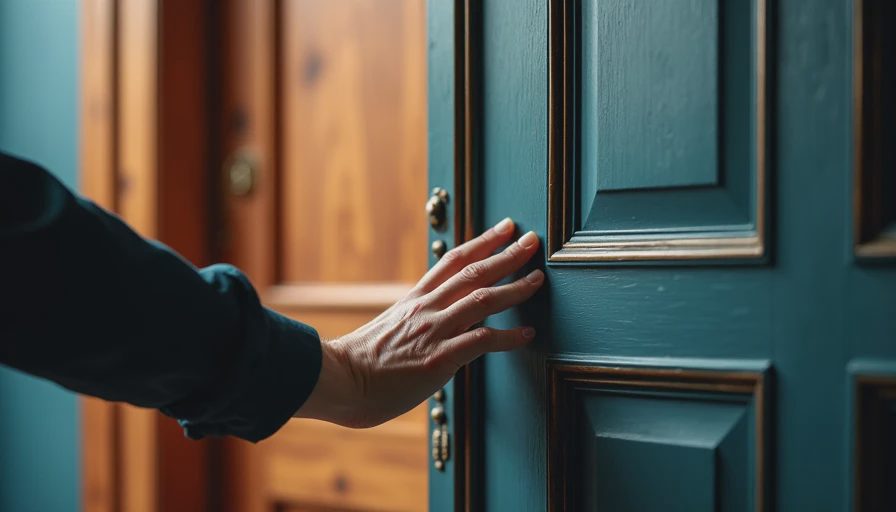
You walk into a 1920s bungalow and notice the doors. They’re solid, with six raised panels, and the grain shows through a century of paint. Those original wood six panel doors are part of the house’s character. But when one is rotted or missing, you face a choice: hunt down a salvage match, buy a new wood six panel door, or compromise with a hollow-core slab. This article helps you decide what’s right for your old home and your budget.
Why Wood Six Panel Doors Fit Older Homes
Houses built before 1950 almost always had solid wood doors. The six-panel style was standard because it was both sturdy and stylish. The panels helped the door resist warping while letting the wood expand and contract with humidity. Modern hollow-core doors feel cheap and sound flimsy. If you’re trying to keep your home’s original feel, replacing a missing door with a wood six panel door is the right move—but it’s not always simple.
Most new wood six panel doors are made from pine, poplar, or oak. Pine is affordable but soft; oak is harder and more expensive. For a 1920s home, a pine door with a solid core (often called “pine board”) can match the original weight and texture. But you need to measure carefully. Old houses have non-standard openings. A 30-inch-wide rough opening might actually be 29 5/8 inches. Ordering a stock-sized wood six panel door from a big-box store and trimming it to fit can work, but only if you have the tools and patience.
The Real Cost of Wood Six Panel Doors (And What to Watch Out For)
Let’s talk numbers. A pre-hung wood six panel door (meaning it comes with a frame and hinges) can cost $150 to $400 at a lumberyard. A slab-only version (just the door) might be $80 to $250. That’s two to four times the cost of a hollow-core door. But the real expense is labor. Hanging a slab door in an out-of-square old frame requires skill. Expect to pay a carpenter $150 to $300 per door for a proper install. If you’re handy, you can do it yourself, but be prepared for planing, shimming, and adjusting.
“This is where people get talked into the wrong job.” A contractor might insist you need a new pre-hung unit. But if your existing frame and jambs are sound, reusing them with a slab-only wood six panel door saves money and preserves the original trim. Check for rot first—if the frame is shot, go pre-hung. Also, watch out for doors that are too heavy for old hinges. Original hinges were often narrow and can’t handle a solid wood door without sagging. You may need to install three hinges instead of two.
Another cost: finishing. A bare wood six panel door needs paint or stain. If you’re doing a whole house (say, six doors), that’s a full day of priming and painting. Budget $30–$50 per door for materials if you DIY. If you hire a painter, add $100–$150 per door. Match the existing trim color—usually a warm white or a period-appropriate color like deep green or black.
How to Choose and Install Wood Six Panel Doors (Without Regret)
First, decide whether you want a solid-wood door or a wood-veneered composite. Solid pine is traditional but can warp if not sealed properly. A composite with a wood veneer (like MDF core with real wood skin) is more stable and cheaper, but it doesn’t feel the same. For an old home, go with solid wood unless you’re painting. If you paint, the veneer is fine.
Second, measure your opening three times. Width at the top, middle, and bottom. Height on both sides. If the difference is more than 1/8 inch, you’ll need to plane the door or add shims. A planer is loud and messy—borrow one or buy a cheap hand plane.
Third, install the hinges first. Screw them into the door, then hold the door in the frame and mark the hinge locations. Use a chisel to recess the hinges slightly (mortise them) so the door closes flush. With solid wood six panel doors, the weight makes this step critical. A door that binds or drags will wear out the hinges and frustrate you forever.
Alternatives to Solid Wood Six Panel Doors
If budget is tight, consider a hollow-core door with a six-panel embossed pattern. It’s lighter and cheaper ($40–$80), but it won’t feel the same. For a high-traffic area like a bathroom, a fiberglass six-panel door is more moisture-resistant and costs about $150–$250. But fiberglass doesn’t take paint as well as wood, and it won’t match the patina of an old house.
“There’s a difference between cosmetic ugly and expensive ugly.” A cheap hollow-core door that doesn’t match your home’s style is cosmetic ugly—you can replace it later. A rotted frame that makes a beautiful wood six panel door sag is expensive ugly. Fix the frame first.
Final Verdict: Are Wood Six Panel Doors Worth It?
Yes, if you value authenticity and durability. A well-installed wood six panel door will last another 50 years. No, if you’re on a tight budget and planning to sell in five years—then paint-grade MDF panels will pass inspection. But for a renovator who plans to stay, investing in real wood doors adds genuine value. Start with the most visible doors (front entry, hallway) and work inward.
Remember: “Fix the house you have, not the fantasy version of it.” That means measuring twice, buying once, and not over-improving for your neighborhood. But when a wood six panel door is the right call, it’s one of the simplest ways to honor your old home’s bones.