
The Brand Obsession That Cost a Family $7,000 in Regrets
I’ve reviewed hundreds of window projects as both an installer and product manager for Pella and Andersen lines. One couple was dead set on “the best brand.” They picked Andersen after long debates, but chose a lower-grade series and a non-certified crew to save money. Two years later they had condensation issues, drafts, and warranty headaches because the installation didn’t match the product’s potential. They spent another $7,000 fixing what could have been prevented by asking better questions upfront.
Pella vs Andersen is rarely the right starting point. Both make excellent products across price tiers. The difference between success and regret usually comes down to matching the right specs to your house, climate, and installation quality.
What Should Come Before Brand Name
Start with your actual needs, not marketing. Older homes have unique challenges: settled frames, uneven openings, moisture history, and varying energy codes. Focus here first:
Climate and Energy Priorities
Where you live dictates performance more than brand. In cold northern states, prioritize low U-factors (heat loss) and triple-pane glass with argon or krypton fill. In hot sunny climates, Solar Heat Gain Coefficient (SHGC) matters more for keeping heat out. Mixed climates need balanced Low-E coatings.
Don’t chase the absolute best ratings if they don’t fit your budget or house. A well-installed good window beats a premium one installed poorly every time.
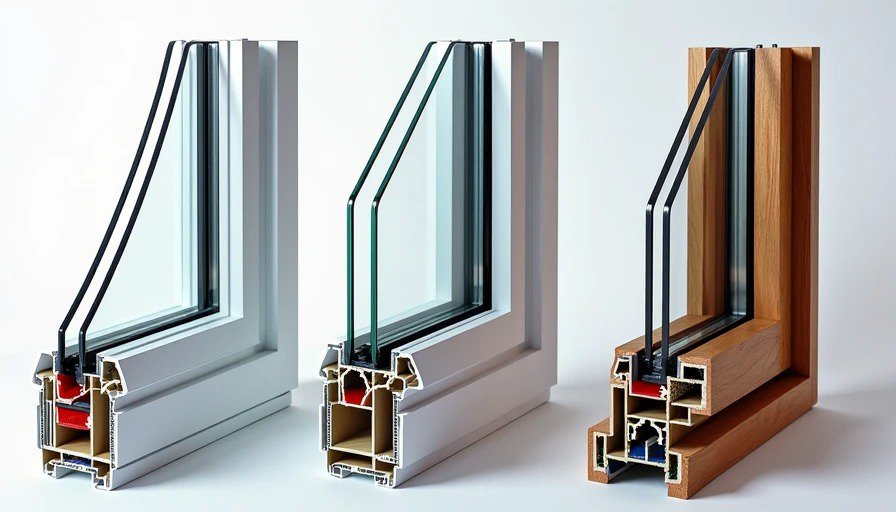
Frame Material Realities
Fiberglass: My top recommendation for most older homes. Minimal expansion/contraction, extremely durable, paintable, excellent thermal performance. Holds up for decades with little maintenance.
Vinyl: Budget-friendly with solid energy numbers. Newer formulations resist warping better, but can look less premium over 15+ years.
Wood or Wood-Clad: Beautiful traditional look but requires more upkeep unless fully clad. Great if you love the aesthetics and are willing to maintain.
Glass and Performance Specs
Insist on NFRC (National Fenestration Rating Council) labels. Key numbers:
U-Factor: Lower is better for insulation.
SHGC: Lower in hot climates, higher in cold for passive solar.
Visible Transmittance (VT): How much light comes through.
Air Leakage rating.
Double-pane is baseline. Triple-pane often makes sense in colder zones or noisy areas for comfort and sound reduction.
Installation: The 60% That Determines Everything
I’ve installed both Pella and Andersen systems. The product is only as good as the crew and process. In older homes, rough openings are rarely perfect. Proper prep is critical.
Non-negotiable installation standards:
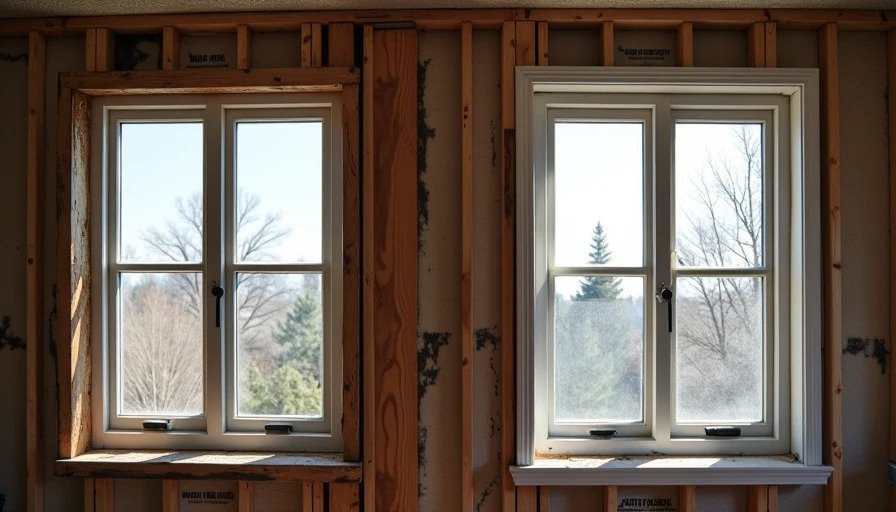
Complete removal of old sash and jambs (pocket replacements often fail long-term).
Careful shimming and leveling of new units.
Continuous head and sill flashing with proper slopes.
High-quality expanding foam or backer rod plus exterior sealant.
Full interior and exterior trim work with caulking.
Testing every window for smooth operation and no leaks.
Cheap installers cut corners here. Certified installers from the manufacturer cost more upfront but prevent callbacks and performance failures.
Warranties: Read the Fine Print Carefully
Both major brands offer strong warranties, but details matter:
Glass seal failure: Often lifetime or 20+ years.
Frame and sash: Varies by series (10–20 years or more).
Workmanship: Usually 5–10 years from the installer.
Transferability: Important if you plan to sell.
Exclusions for improper installation, neglect, or modification are common. Document everything and register promptly. I’ve helped families fight claims where poor install voided what should have been covered.
Cost vs Value in Real Older Homes
Expect $600–$1,400 per window installed for quality mid-to-premium options in 2026, depending on size, type, and complexity. Full house (12–18 windows) typically lands between $12,000 and $28,000.
Where to spend:
Better glass and frame in high-use or high-exposure areas.
Full replacement over inserts in older homes.
Certified installation and proper flashing.
Where you can save thoughtfully:
Standard sizes over custom.
Mid-tier series that still meet your energy needs.
Bundling with other exterior work to reduce mobilization costs.
Practical Decision Checklist
Use this before any brand conversation:
Get a professional assessment of your current windows and openings.
Define your priorities: energy savings, noise reduction, maintenance level, aesthetics, budget.
Collect at least three detailed quotes with full specs and installation scope.
Compare NFRC ratings, not just brand names.
Verify installer certification and experience with older homes.
Review warranty documents line-by-line.
Ask for references from similar recent projects.
Plan the sequence with other renovation work.
Real Talk From Years in the Field
Families often over-focus on brand because it feels safe. But I’ve seen Pella windows underperform due to bad installs and Andersen mid-tier lines outperform expectations when done right. The homeowner contributor on our team replaced windows twice. First time they chased brand and paid premium prices with mediocre results. Second time they followed a specs-first approach and got better performance for less money overall.
During renovation, tackle windows after major systems (electrical, plumbing, roof) but before final interior finishes. This coordination prevents damage and rework.
Making the Smart Choice for Your Family
Stop asking “Pella or Andersen?” Start with: What does this specific house need for the next 20–30 years? How important is energy efficiency versus maintenance? Can the installer actually deliver proper work on our older framing?
Visit showrooms, handle samples, and ask tough questions. A good sales rep or contractor will respect that approach.
Windows are a major investment that affects daily comfort, energy bills, and resale value. Done right, they quietly improve your life for decades. Done wrong, they become a source of constant frustration and extra cost.
Focus on the fundamentals — performance specs, installation quality, and proper fit for your home. The brand will then become a supporting detail rather than the deciding factor.
I’ve seen every version of this decision. The families who slow down and evaluate properly are the ones who end up truly satisfied, regardless of the name on the window.
Your older home deserves windows that work as hard as the rest of your renovation. Make decisions based on reality, not slogans.

No feedback yet — submit the first.