I’ve Seen the Worst Version of a 30-Year-Old House
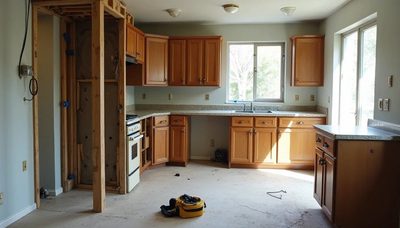
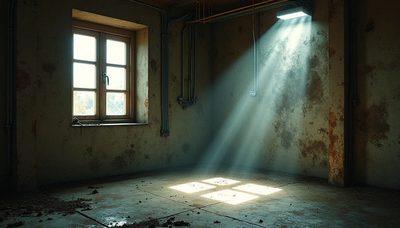
I walk into houses every week that buyers have already spent 30–45 minutes touring. They love the updated kitchen, the big backyard, the “charming” original details. Then I spend 15 minutes in the basement, crawlspace, and utility areas and find problems that will cost them $15,000–$40,000 before they’ve even closed.
This isn’t exaggeration. It’s pattern recognition from thousands of inspections. Electrical and plumbing systems in older homes don’t announce themselves with pretty staging. They hide until they become expensive.
Electrical Systems: The First Five Minutes Tell the Story
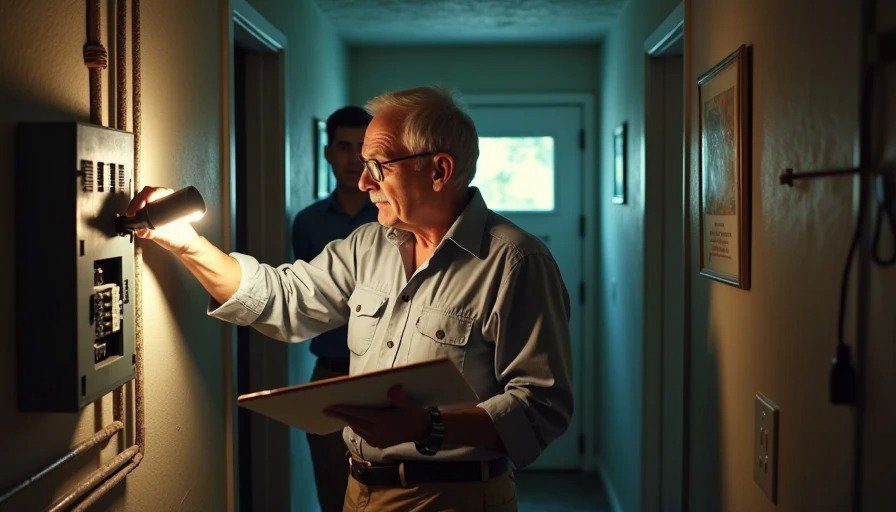
I head straight to the main panel. Most buyers never open it or know what they’re looking at.
Immediate red flags I note:
Service size: 100 or 150 amps on a modern family home? Inadequate for today’s loads. Expect an upgrade.
Panel brand: Federal Pacific, Zinsco, or Challenger — known failure modes. Breakers may not trip when they should.
Wiring type: Aluminum wiring (oxidizes and loosens), knob-and-tube (no ground, fire risk), or degraded cloth-wrapped Romex.
Overcrowding: Double-tapped breakers, extension cords used permanently, missing knockouts.
Grounding and bonding: Missing or improper. GFCIs absent in wet areas.
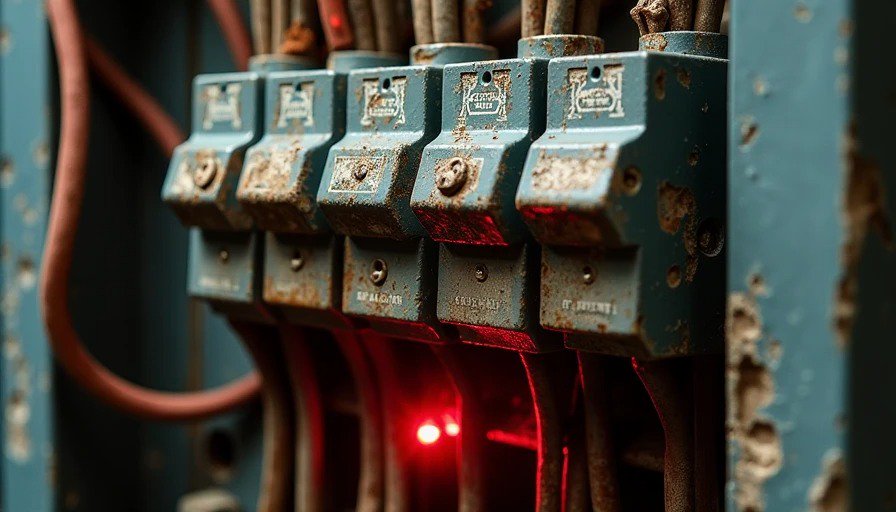
One house I inspected looked move-in ready. Nice finishes. The panel told a different story: aluminum wiring poorly pigtailed, 100-amp service, and a Federal Pacific panel. The buyers had already made an offer. I recommended a full electrical evaluation. They ignored it. Two years later they had an arcing issue that caused a fire in the wall. Insurance was messy because of known pre-existing conditions.
Buyers miss this because panels are in dark corners and look “technical.” I see it immediately because I know the failure patterns.
Plumbing: What’s Flowing (or Not) Behind the Walls
Next stop: water heater, main shutoff, visible piping, and fixtures under pressure.
What stands out fast:
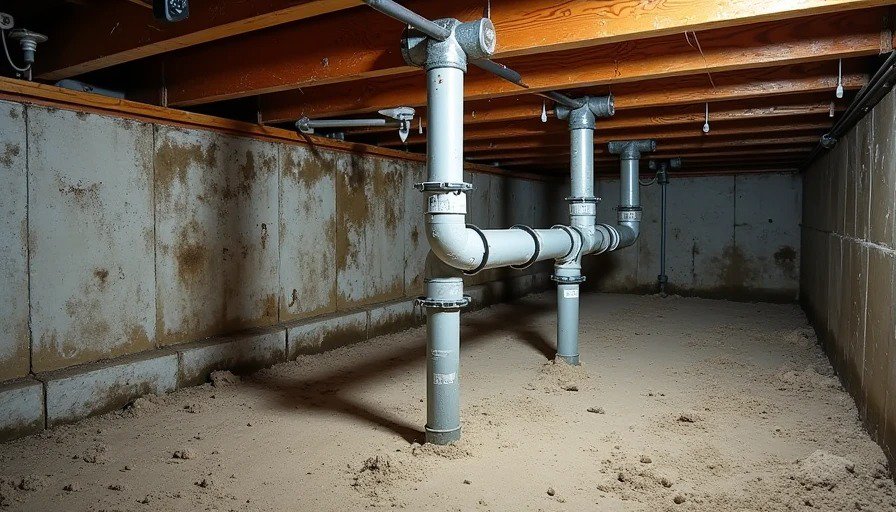
Pipe materials: Galvanized steel (rusting internally), polybutylene (PB — prone to sudden failure), lead service lines.
Water pressure: Low or inconsistent when multiple fixtures run? Restricted lines or old mains.
Water heater: Age (over 10–12 years is risky), leaks, sediment, improper venting.
Signs of past leaks: Water stains on joists, warped subfloor, musty smells, efflorescence on concrete.
Drain performance: Slow drains, gurgling, or backups indicate main line or vent issues.
In one 40-year-old colonial the buyers focused on the remodeled bathrooms. I turned on all faucets and showers at once. Pressure dropped dramatically. Crawlspace inspection showed heavily corroded galvanized mains. The “minor” issue was going to require a full repipe.
The 15-Minute Checklist I Use on Every Inspection
Here’s what I cover quickly that buyers rarely do:
Main electrical service and panel condition
Visible wiring types and hazards
GFCI/AFCI presence in required locations
Main water shutoff operation and location
Pipe materials throughout accessible areas
Water pressure test at multiple points
Water heater age, condition, and venting
Signs of active or past moisture intrusion
Sump pump and backup systems (if present)
Sewer cleanout accessibility and basic drain test
Electrical bonding to plumbing
Any obvious DIY hacks or unpermitted work
Foundation moisture around pipes
Attic or basement wiring and plumbing penetrations
Overall system age relative to house
This isn’t the full inspection, but it catches the biggest budget killers.
Why Buyers Miss These Things
You’re emotionally invested. The realtor highlights positives. You’re imagining family dinners, not thinking about panels and pipes. I have no emotional attachment — just experience with what fails and when.
Older homes often have solid structure and location advantages. But the mechanical systems are usually the weak point. A charming 1970s house with updated cosmetics can still hide 1970s electrical and plumbing.
What to Do With the Inspector’s Findings
Before you buy: Use major issues for negotiation. Full rewire or repipe should come off the price or be seller-completed. Don’t accept vague “we’ll fix it” promises.
Hiring contractors: Share the report with specialists. Get separate electrical and plumbing evaluations if the inspector flags concerns.
During renovation: Tackle these systems early while walls are open. It’s cheaper and prevents destroying new finishes.
After project: Document repairs thoroughly. This protects you on future claims and resale.
Jamie has seen the aftermath too many times: “Buyers fall in love with the countertops. Then we’re tearing them out six months later because nobody fixed the leaking lines or overloaded panel.”
Real Numbers from the Field (2026 Perspective)
Panel upgrade + partial rewire: $4,000–$12,000
Full home electrical: $10,000–$25,000+
Galvanized or PB repipe: $6,000–$18,000 depending on house size
Water damage remediation from ignored leak: Often doubles the preventive cost
These aren’t scare tactics. They’re averages from jobs I’ve seen.
The Homeowner Perspective That Grounds This
Our homeowner contributor lived it. First purchase they skimped on deep mechanical inspection to “save money.” The ignored issues surfaced painfully. Second time they demanded thorough electrical and plumbing reviews upfront. The extra few hundred dollars in inspections saved them tens of thousands and massive stress.
Bottom Line: Respect What’s Behind the Walls
I don’t tell people to walk away from older homes. Many are fantastic investments. But you must enter with eyes open. Spend the time (and money) on a quality inspection that includes dedicated electrical and plumbing focus. Walk the house with the inspector. Ask questions. Take notes.
The 15 minutes I spend in the mechanical areas often reveal more about the true cost of ownership than the 45 minutes you spend admiring the updated bathroom tile.
Buyers miss these things because they’re not trained to see them. That’s my job. Use the inspector’s experience to protect your family’s finances and safety.
Don’t let excitement override due diligence. The house you buy will be with you for years. Make sure the systems supporting it are as solid as the charm that drew you in.
I’ve seen the worst versions. You don’t have to live them.