If you own an older home, you’ve likely stared at that bare concrete foundation or tired siding and wished for something with more character. Exterior stone veneer wainscoting is one of those rare upgrades that blends curb appeal with real protection — without requiring a foundation tear-out. I’ve seen it transform everything from 1920s bungalows to 1970s ranches, and the best part is it won’t gut your budget.
Why Choose Exterior Stone Veneer Wainscoting?
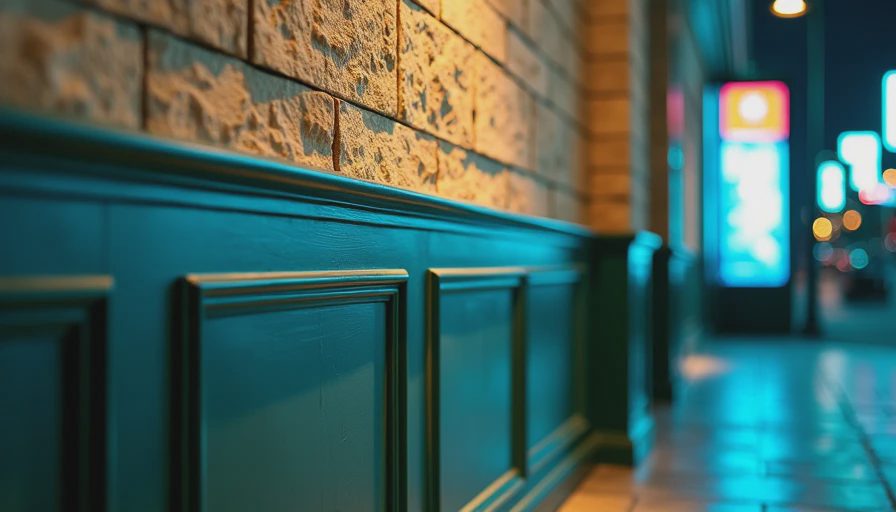
First, let’s talk about what it actually is. Exterior stone veneer wainscoting involves applying a thin layer of stone — either manufactured or natural — to the lower portion of your home’s exterior walls, typically covering the first 2 to 4 feet above grade. It’s not structural; it’s a cladding. But it serves multiple purposes: it protects the foundation wall from rain splash, hides ugly concrete, and adds instant architectural weight to a house that might look a little flat.
For an older home, this is especially valuable. Many older houses have short foundations or uneven grading that leads to moisture splashing up onto siding. Exterior stone veneer wainscoting acts as a sacrificial barrier. The stone takes the beating, and your wood or fiber cement siding stays dry. Plus, it’s a relatively DIY-friendly project if you’re handy, though I’d strongly recommend hiring a mason for the first few rows to ensure proper drainage.
Cost vs. Value: What You’ll Spend and What You’ll Get Back
Here’s where the Fix Old Home approach kicks in: don’t overspend. A typical exterior stone veneer wainscoting job runs $8 to $15 per square foot for materials and labor, depending on whether you choose manufactured stone (like Cultured Stone or ProVia) or real stone veneer. Manufactured is usually the smarter choice for budget-conscious homeowners — it costs 30–40% less and weighs a fraction of the real stuff, which means less structural load and simpler installation.
For a 50-foot long wall with a 3-foot wainscot height, you’re looking at 150 square feet. At $10/sq ft installed, that’s $1,500. Compare that to full stone siding (easily $20,000+) and you see the value. Plus, resale value? Realtors in my area say it can recoup 70–80% of cost because it elevates the whole house’s first impression. But don’t do it just for resale — do it because it makes your home look finished, not because you’re flipping.
Installation Considerations: The Nitty-Gritty for Old Homes
If you’re going to tackle exterior stone veneer wainscoting, pay attention to these three things:
- **Water management.** This is where people get talked into the wrong job. You need a weather-resistant barrier behind the stone, a weep screed at the bottom, and proper flashing at the top. Skip these, and moisture gets trapped against your foundation — that’s expensive ugly.
- **Grade and drainage.** The stone should start 2–4 inches above the ground, not touching soil. Otherwise, you’re wicking moisture up. Check your grading before you start; you don’t want to cover a problem.
- **Ledge vs. straight edge.** A ledger strip at the bottom helps support the weight while things cure. For old homes with uneven foundations, this makes alignment a lot easier.
I’ve seen too many homeowners skip the flashing, and a year later they have efflorescence (white mineral stains) and peeling paint above the stone. Don’t be that person.
Common Mistakes to Avoid with Exterior Stone Veneer Wainscoting
- **Mixing stone types on the same wall.** Stick with one product line. Different thicknesses create awkward transitions.
- **Ignoring the top edge.** A straight cap stone or a small ledge finishes the look. Leaving a raw jagged edge looks unfinished.
- **Forgetting about windows and doors.** If the wainscoting runs under windows, make sure there’s proper flashing and that the stone doesn’t block drainage weeps.
Maintenance: Less Than You Think
One of the best things about exterior stone veneer wainscoting is its low maintenance. Unlike wood siding that needs paint every 5–7 years, stone veneer just needs a rinse with a garden hose occasionally. If you live in a freeze-thaw climate, check that the manufacturer’s stone is rated for exterior use (most are). A quick annual inspection for cracks or detached pieces is all it takes.
Final Thoughts: Should You Do It?
If your home’s foundation looks like a forgotten afterthought, exterior stone veneer wainscoting is a solid move. It’s not a fantasy renovation — it’s a practical fix that adds character and longevity. You are not buying the product alone. You are buying the install, the timing, and the follow-through. Plan for a weekend or two of work, budget for proper flashing, and you’ll have a house that looks like it cost more than it did. Fix the house you have, not the fantasy version of it.