
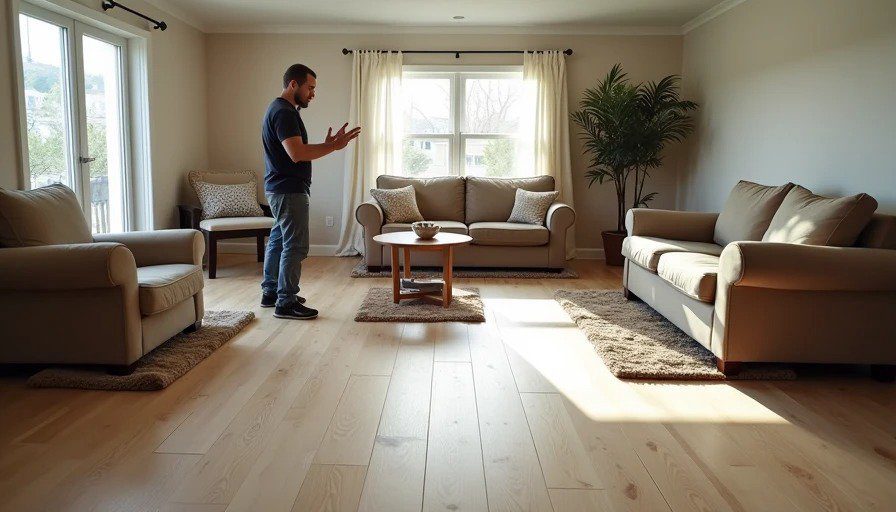
The Brand-New Floor Ruined in One Afternoon
I’ve installed beautiful floors only to get called back a week later because the homeowners “just moved the couch back in.” Deep scratches across the living room, chipped edges on engineered hardwood, or shifted click-lock planks on LVP. The flooring itself was high quality. The move-in process destroyed it. One family with kids and heavy sectional furniture turned a $9,000 floor into a $4,000 repair job because they were excited and impatient.
Floor installers see this constantly in older-home renovations. The big work is done, the house looks fresh, and everyone wants to get back to normal. But new floors — especially in the first 48-72 hours and even weeks after — are vulnerable. Here’s the reality from the crew that actually does the work.
Why Timing Matters More Than You Think
Freshly installed flooring needs time to settle, acclimate, and bond (if glued). In older homes with seasonal movement, temperature swings, and humidity changes, rushing this step causes problems that become permanent.
Key waiting periods I recommend:
Floating floors (LVP, laminate): Minimum 24-48 hours before light foot traffic. Full furniture after 72 hours minimum, longer if possible.
Nailed or glued hardwood/engineered: Often 48-72 hours or more depending on adhesive cure time and humidity.
Tile or stone: Full cure can take 72 hours to a week before heavy loads.
Humidity and temperature in the house should match the manufacturer’s specs during and after install. Older homes can fluctuate wildly, especially during renovation when HVAC might not be fully dialed in.
I tell clients: Plan to live minimally or stay with family for a few extra days. It’s worth it.
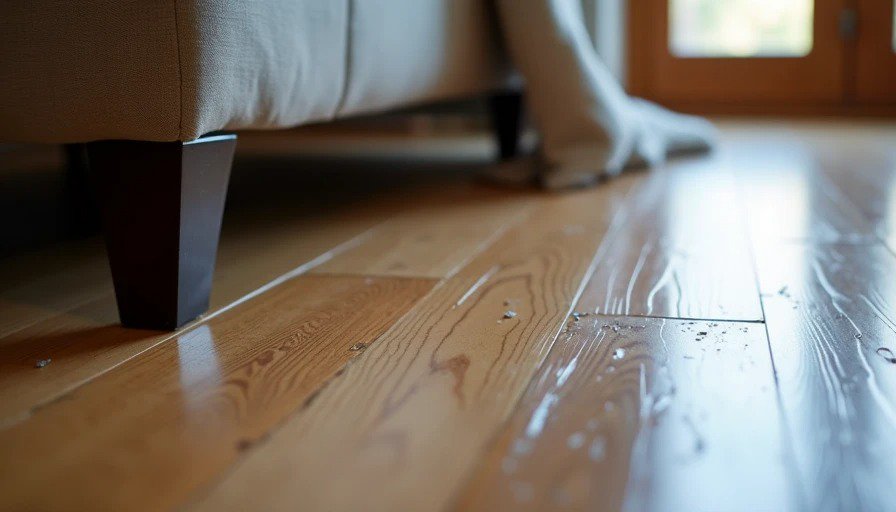
How to Move Furniture Without Destroying Your Investment
Never drag anything. Dragging is the number one cause of scratches, gouges, and dislodged planks.
Proper techniques:
Lift and carry where possible. Use furniture dollies or sliders designed for hard floors.
Place thick moving blankets or quilted pads under every piece.
Lay down large sheets of cardboard, hardboard, or masonite as temporary pathways for heavier items.
Remove legs or feet from sofas and tables if possible, or add wide felt pads.
Slide very slowly and carefully — never push or pull at angles.
For refrigerators, washers, or pianos, hire professional movers with proper equipment. The cost is small compared to floor repairs.
In older homes, watch transitions between rooms. Doorway thresholds and uneven areas are high-risk spots for catching and damaging edges.
Subfloor and Acclimation Issues That Show Up After Move-In
Older homes often have hidden movement. New floors can develop squeaks, gaps, or cupping once furniture weight is added and daily life resumes if prep wasn’t perfect.
What installers check (and you should verify):
Full subfloor flatness within manufacturer tolerances (usually 3/16" in 10 feet or better).
Proper underlayment or moisture barriers.
Acclimation of material in the house for 48-72 hours minimum before install.
Expansion gaps at walls and transitions (especially important for floating floors).
If you notice popping, squeaking, or unevenness after furniture is in, call the installer immediately. Small issues can often be fixed before they worsen.
Protection and Maintenance Right After Install
First two weeks are critical:
No rugs or heavy area rugs immediately — they can trap moisture or cause uneven pressure.
Use only recommended cleaners. Many “safe” household products damage new wear layers.
Vacuum or sweep daily to remove grit that acts like sandpaper.
Control humidity: 35-55% ideal for most wood and wood-look products.
For LVP and laminate, a quick pass with a microfiber mop works. Hardwood needs specific care to avoid water spots.
Long-term habits that protect floors:
Felt pads on all furniture legs, replaced regularly.
No shoes with hard heels or outdoor dirt tracked in.
Furniture coasters or wide bases for heavy pieces.
Periodic professional cleaning for high-traffic areas.
Practical Checklist Before Moving Anything Back In
Confirm with installer the exact cure/wait time for your specific product.
Walk the entire floor yourself checking for any loose areas or height differences.
Prepare protection materials in advance (blankets, cardboard, felt pads).
Remove all old adhesive residue or debris.
Plan traffic flow — move heaviest items first while pathways are clear.
Document the floor with detailed photos right after install and before furniture.
Have the installer’s contact info and warranty details handy.
During renovation, coordinate move-in timing with the rest of the project. Don’t schedule the final cleaning or painting touch-ups after heavy furniture is back.
Real Talk From Years on the Job
I’ve seen families spend $15k on nice engineered hardwood only to watch it get wrecked by eager movers. I’ve also seen quality LVP hold up beautifully because the homeowners followed instructions and took it slow.
The homeowner contributor on our team experienced both sides. First renovation they rushed move-in after floors. Scratches and a few shifted planks appeared fast. Second time they waited, protected everything carefully, and the floors still look excellent years later with active kids and pets.
Alex often points out during inspections: “The new floors look great today, but check how they handle real life after furniture and normal wear.”
After Move-In: Keeping It Looking New
Address any issues within the first 30 days while the warranty is fresh and installer is responsive.
Keep original boxes or leftover planks for future repairs.
Maintain consistent indoor climate — older homes benefit from dehumidifiers or humidifiers seasonally.
Reassess transitions and expansion gaps after the first heating/cooling season.
A quality floor install in an older home is a big investment. Protecting it during the vulnerable post-install phase determines whether it stays beautiful for 15+ years or becomes another regret.
Floor installers don’t want callbacks for preventable damage. We want you to love the result long-term. That means patience during the critical window after the last plank clicks in.
There are places to save money in a flooring project. Rushing the move-in or skimping on protection isn’t one of them. Take the extra time, use the right methods, and treat those new floors with the respect they deserve after all the prep work that went into them.
Your family will enjoy them more, the house will feel finished properly, and you won’t be calling me six months later to fix avoidable damage. Do it right from the start.