The Flooring Choice That Failed After Two Years of Normal Family Life
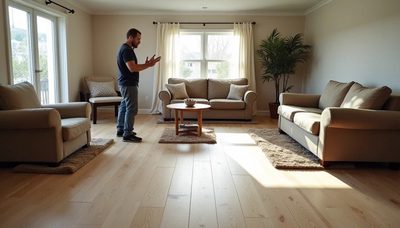
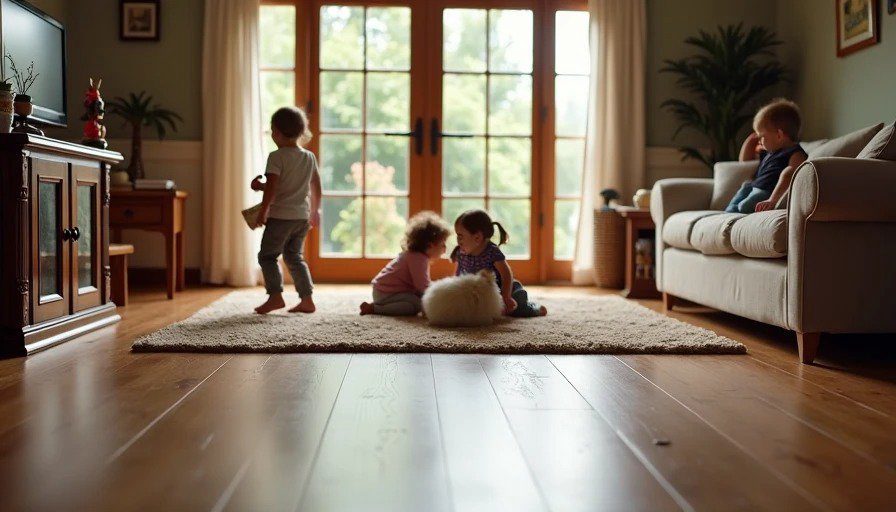
I’ve installed thousands of square feet of flooring in older family homes. One couple with three kids and a dog chose mid-range laminate because it looked like hardwood and was “budget-friendly.” It photographed great on install day. Two years later, after spilled juice, toy trucks, and normal foot traffic, edges were swelling, planks were shifting, and the whole floor looked tired. They wished they’d spent a bit more on LVP.
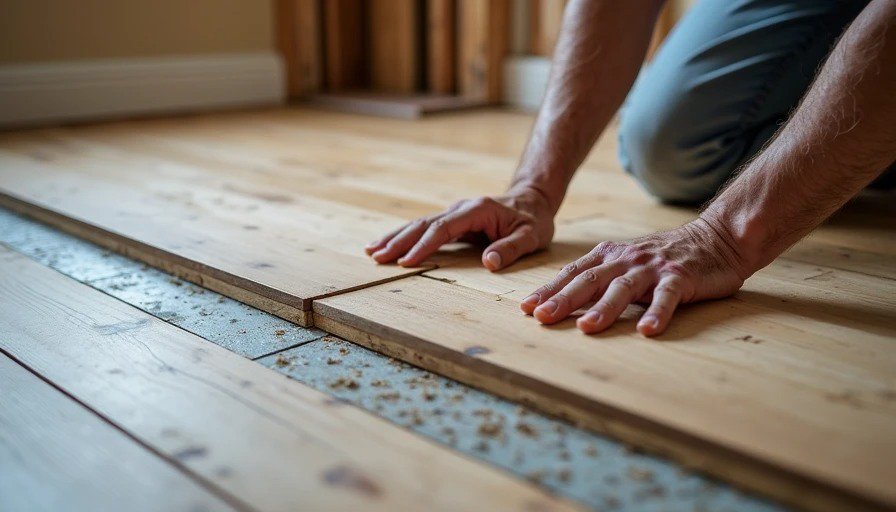
Another family went solid hardwood and loved the look, but the uneven subfloor and occasional humidity swings caused gaps and cupping that required expensive fixes. The right choice depends on your real life, not the showroom.
Breaking Down the Three Main Options
Here’s the no-sales-pitch comparison based on what I see in the field after years of real use.
Laminate:
Pros: Lowest upfront cost, realistic wood looks, easy floating install, decent scratch resistance with good wear layer.
Cons: Poor moisture resistance — even “waterproof” versions fail at edges and seams. Can sound hollow. Hard to refinish. Shows wear faster in high-traffic family areas. Not forgiving on uneven subfloors.
Best for: Low-moisture areas, budget secondary rooms, temporary solutions.
Lifespan in busy home: 8–15 years with good care.
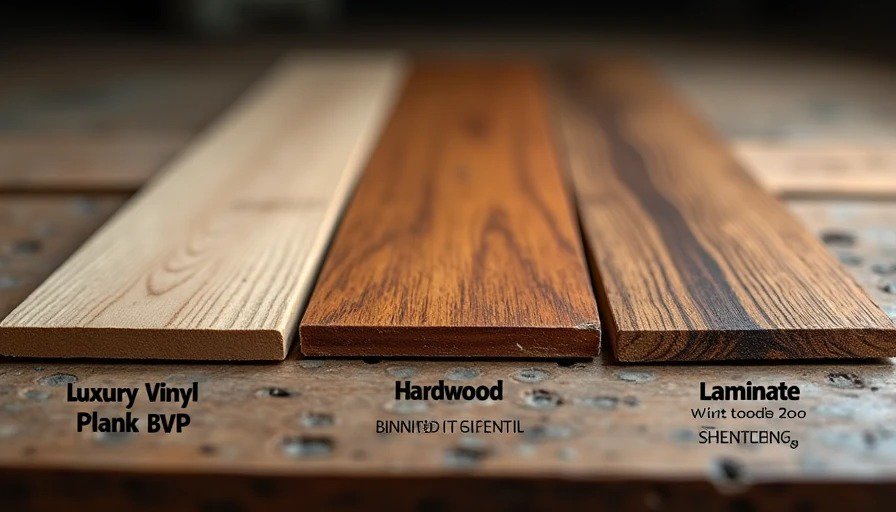
Hardwood (Solid or Engineered):
Pros: Timeless beauty, can be sanded and refinished multiple times (engineered has limits), excellent sound and feel, high resale value.
Cons: Most expensive, sensitive to moisture and humidity changes (common in older homes), requires very flat subfloor, dents and scratches easily with kids/pets. Solid hardwood expands/contracts the most.
Best for: Formal areas, owners willing to maintain humidity levels and refinish.
Lifespan: 20–50+ years with proper care, but higher maintenance.
Luxury Vinyl Plank (LVP):
Pros: Best overall durability for families, waterproof options handle spills and humidity well, forgiving on uneven older subfloors with good underlayment, quiet underfoot, scratch-resistant wear layers, easy to clean, affordable mid-to-upper range.
Cons: Can look “plastic” if you cheap out on quality/thickness. Harder to refinish (usually not). Some lower-end versions off-gas or wear faster.
Best for: Kitchens, high-traffic family zones, homes with pets and kids, older houses with subfloor challenges.
Lifespan in busy home: 15–25+ years for quality thick planks (20+ mil wear layer recommended).
In my experience with families in older homes, quality LVP wins most often for daily durability without drama.
Key Factors for Older Homes and Busy Families
Older subfloors are rarely perfectly flat or dry. This changes everything.
Moisture: Older homes have more risk of occasional leaks or vapor transmission. LVP handles this best. Laminate fails here. Hardwood needs excellent moisture barriers and humidity control (40-60% ideal).
Unevenness and Movement: Floating floors (LVP and laminate) adapt better than nailed hardwood. For hardwood, you often need new subfloor overlay or extensive leveling, adding cost.
Kids, Pets, Traffic: Spills, dropped toys, claws, and heavy use. LVP takes the beating and cleans easiest. Hardwood shows every mark but can be refinished. Laminate chips at edges.
Sound and Comfort: Hardwood feels premium. Quality LVP with thick underlayment comes close and reduces echo better than thin laminate.
Cost Installed (2026 averages, 1,000 sq ft):
Laminate: $4–$8/sq ft
LVP (good quality): $6–$12/sq ft
Engineered Hardwood: $10–$18/sq ft
Solid Hardwood: $12–$25+/sq ft
Add subfloor prep costs — often $2–$8/sq ft extra in older homes.
Practical Recommendation Table
Factor | Laminate | Hardwood | LVP (Recommended) | Winner for Families |
|---|---|---|---|---|
Moisture Resistance | Poor | Fair (with prep) | Excellent | LVP |
Durability w/ Kids/Pets | Fair | Good (but dents) | Very Good | LVP |
Uneven Subfloor Forgiveness | Good | Poor | Excellent | LVP |
Maintenance | Low | Medium-High | Very Low | LVP |
Resale Appeal | Fair | Excellent | Good | Hardwood |
Long-term Cost | Lowest initial | Highest over time | Best value | LVP |
For most busy families in older homes, I recommend quality LVP in kitchens, family rooms, and high-traffic areas. Use hardwood in lower-traffic formal spaces if budget allows and subfloor is prepped perfectly.
Installation Truths That Matter
Never let a crew install directly over questionable subfloor. Fix soft spots, level, and add moisture barriers first.
LVP and laminate float — easier and faster. Hardwood usually requires nailing or gluing. Hire installers experienced with older homes who guarantee flatness and acclimation.
During renovation, install flooring after major systems and before final trim/paint where possible. Protect new floors immediately with cardboard or blankets during remaining work.
Real Experiences From the Team
The homeowner contributor dealt with this twice. First house: cheap laminate in the kitchen. Swelling and replacement headaches within a few years. Second renovation: quality LVP in high-use areas and some engineered hardwood elsewhere. Much happier with performance and cleanup.
I’ve ripped out failed laminate and seen beautiful hardwood ruined by ignored moisture. The families who choose based on real life instead of pure aesthetics don’t regret it.
After Installation: Making It Last
Keep humidity stable.
Use proper cleaners — no harsh chemicals on LVP or laminate.
Felt pads on furniture, regular sweeping.
Address any subfloor issues immediately if soft spots appear.
Document materials, warranties, and install details.
Quality flooring with proper prep transforms an older home. Cheap choices create ongoing frustration.
The Bottom Line for Your Family
In a busy family home with older-house realities, LVP usually gives the best combination of durability, forgiveness, easy maintenance, and value. Hardwood wins for pure beauty and long-term refinishing if you’re willing to invest and maintain. Laminate is okay for low-stakes areas on a tight budget but often disappoints under real family use.
Don’t buy based on showroom photos alone. Walk on samples. Think about spills, dropped toys, muddy shoes, and the subfloor under your current floors. Get a proper evaluation before deciding.
There are places to save in flooring. Cutting corners on subfloor prep or buying the absolute cheapest version of any material is never one of them. Choose smart, install right, and your floors will handle family life instead of becoming the next renovation problem.
I’ve seen every option succeed and fail. The winners are the ones matched to actual family needs and installed on a solid base. Make that your goal.