

The Warranty Claim That Should Have Been Easy
I’ve helped hundreds of homeowners with window issues after installation. One family had condensation between panes on several high-end fiberglass units just 14 months after completion. The manufacturer warranty should have covered glass replacement without question. Instead, the claim dragged on for months because they couldn’t prove proper installation details, lacked before/after photos, and had vague paperwork. The installer had moved on, and the manufacturer pushed back hard on potential “improper installation” exclusions. They eventually won, but only after spending time, stress, and lawyer fees they could have avoided.
This happens far too often. Warranties on windows — especially in older homes — are only as strong as your documentation. As someone who has sold, specified, and installed for major brands, I know exactly what holds up in a dispute and what gets denied.
Why Documentation Matters More After Windows Than Almost Anything Else
Windows sit at the intersection of product, installation, and the house itself. Older homes have movement, settling, and moisture history that manufacturers love to blame when problems appear. A solid paper trail shifts the burden back where it belongs and speeds up resolutions.
Don’t wait until fogged glass, drafts, or leaks appear. Document everything the day the crew packs up — or better, throughout the project.

The 10 Essential Things to Document Immediately
Here is the exact checklist I give every client before final payment:
Full Contract and Change Orders Keep the signed contract, all addendums, and any change orders with dates, scope, and pricing. Note exact window series, sizes, glass specs (U-factor, SHGC, Low-E type), and frame material.
Manufacturer Warranty Registration Register every window online or by mail the same week of completion. Print confirmation emails and keep serial numbers or barcodes from each unit. Many warranties are void if not registered promptly.
Installer Workmanship Warranty Get the written workmanship warranty (typically 5–10 years) with the company’s full legal name, license number, insurance details, and contact information. Have it signed.
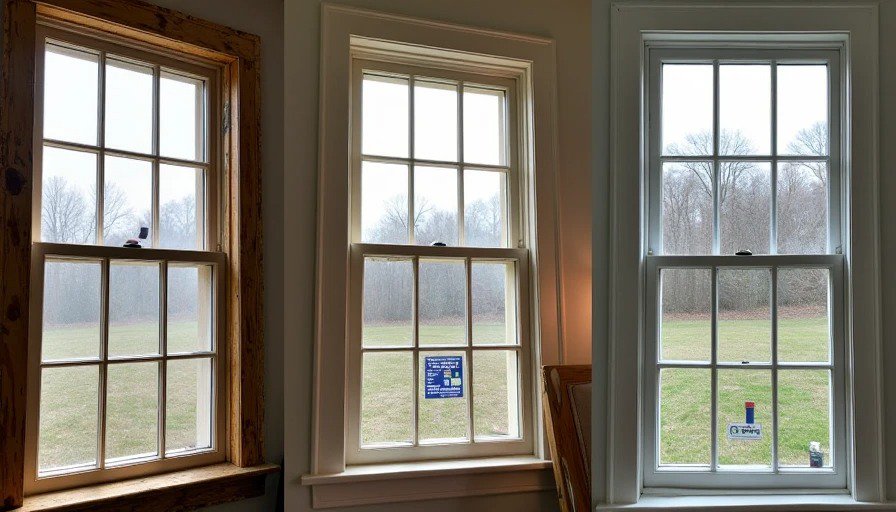
Detailed Installation Photos Take hundreds if possible: rough opening prep, flashing at head/sill/jambs, shimming and leveling, insulation/foam application, sealing details, trim work, and final operation tests. Timestamp everything.
Product Labels and Specifications Photograph NFRC labels on every window, plus any certification stickers. Keep brochures or spec sheets showing exact performance ratings.
Pre-Installation Conditions Photos of the old windows, rough openings, any rot or damage found (and how it was addressed). This protects against claims that existing conditions caused new problems.
Payment Records and Receipts Proof of all payments, including final release of liens if applicable. This matters if the installer goes out of business.
Final Walkthrough Notes and Punch List Written sign-off on operation of every sash, lock function, screen condition, and absence of visible defects. Note any minor items resolved.
Maintenance Records Start a log immediately: dates of caulk inspections, cleaning methods used, any adjustments made. Manufacturers often deny claims if maintenance was neglected.
Independent Verification Consider a short post-install inspection by a neutral third party (another window pro or home inspector) with written findings. This adds credibility in disputes.
Organize everything in a dedicated digital folder and physical binder. Cloud backup is essential.
Common Warranty Traps in Older Homes
Manufacturers and installers often cite:
Improper flashing or sealing leading to water intrusion
Failure to maintain exterior caulk
House settling causing stress on frames
Incorrect cleaning products damaging coatings
Your documentation directly counters these. Clear photos of proper flashing and sealing at install time make it hard for them to shift blame.
In older homes, I always recommend full-frame replacements over pocket installs when possible. Documenting why that choice was made (e.g., rotted old jambs) strengthens your position later.
During the Project: Build the Record as You Go
Don’t leave it all to the end. Require the installer to provide daily or phase photos if you’re not on site. Review them before they move to the next step. This catches issues early and builds your file naturally.
During renovation, coordinate with other trades so window work doesn’t get damaged by painters or electricians later. Document any interactions.
After the Project: Ongoing Protection
Once documented:
Schedule a 6-month and 1-year follow-up walkthrough with the installer.
Inspect exterior caulk and seals annually.
Keep humidity balanced indoors to prevent seal stress.
Address any minor issues immediately while the workmanship warranty is fresh.
For major claims, start with the installer, then escalate to the manufacturer with your full package. Include weather data if storm-related.
Real-World Results from Good Documentation
Families who follow this process resolve 90% of issues quickly and favorably. The ones who don’t often face delays, partial denials, or full denials even on legitimate product failures.
Our homeowner contributor learned this during their second renovation. First time they had minimal records when window issues appeared. Second time they documented thoroughly. When a seal failure occurred on two units, the claim was approved and replaced within weeks with almost no hassle.
The Bottom Line for Your Windows Investment
Windows are a major expense — often $15,000–$30,000+ for a full older home. Protecting that investment doesn’t end when the final check clears. It requires deliberate, organized documentation from day one.
I’ve seen beautiful installations turn into frustrating battles because homeowners trusted “it’ll be fine” instead of building a defensible record. Don’t be that family.
Take the extra hour or two right after completion. Organize the 10 items above. Your future self — facing fogged glass on a cold winter day or a leak during heavy rain — will be profoundly grateful.
Warranties exist to protect you, but they only work when you protect the proof. Document thoroughly, store safely, and reference it confidently when needed. That’s how you turn a good window project into one that delivers performance and peace of mind for decades.