

If you own an older home, your screened porch is probably one of your favorite rooms—until November hits. Cold air seeps through gaps, leaves pile up against the screens, and moisture starts creeping into the wood. That's why learning how to **winterize a screened porch** is essential. Done right, it prevents rot, saves you from expensive spring repairs, and might even cut your heating bill by sealing off a drafty space.
Winterizing a screened porch isn't glamorous. There's no open-concept photo shoot at the end. But there's a big difference between cosmetic ugly and expensive ugly—and a porch that rots from trapped moisture is the latter. Here's a contractor-realistic plan that protects your house and your wallet.
Assess What You're Working With
Before you seal anything, walk your porch with a critical eye. Older homes often have porches built with untreated lumber, no flashing where the roof meets the house, and screens that are decades old. Look for:
- **Roof condition**: Does the roof over the porch shed water properly? Missing shingles or a flat roof with low slope are red flags. Water that sits on a porch roof can rot the deck and the wall behind it.
- **Screen damage**: Even small holes let in cold air and invite mice or squirrels. Check the frames too—aluminum frames may be bent, wood frames might be rotted.
- **Floor and base**: Is the floor sloped away from the house? Standing water against the foundation is a problem. Look for rot along the rim joist or sill plate.
This is where people get talked into the wrong job. Don't rush to buy plastic sheeting and tape. Fix structural issues first, or you're just wrapping a problem in shrink wrap.
Seal Gaps and Keep Water Out
The number-one enemy of a screened porch in winter is moisture. Snow blows through screens, melts, and then refreezes against your house's siding or framing. Over time, that cycle rots anything organic. Here's how to seal it:
- **Install removable storm windows or clear vinyl panels**: These attach to the inside of the screen frame and let in light while blocking wind. Expect to pay $3–$8 per square foot for vinyl. A better long-term option is acrylic panels (more expensive, but last longer).
- **Seal the gap between porch floor and house**: Use a high-quality polyurethane caulk (about $5–$7 per tube) or backer rod and caulk. Don't use cheap silicone—it won't adhere to dirty old wood.
- **Add weatherstripping to any doors**: If your porch has a door to the outside or to the house, make sure the sweep and weatherstripping are tight. A drafty door can undo all your other work.
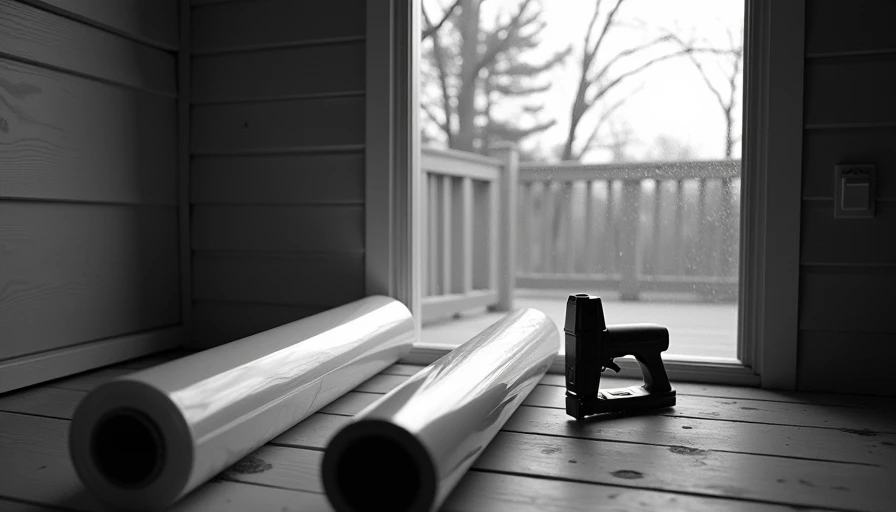
A friend of mine used clear 4-mil plastic on his 12x16 porch and stapled it to the frames. Cost him $40 and a Saturday morning. It blocked wind, but by February the plastic had split in a few spots from sun exposure. He should have spent a bit more on thicker vinyl—but for a single-season fix, it was fine. You're not buying the product alone. You're buying the install, the timing, and the follow-through.
Insulate and Block Wind
If you want to actually use the porch in winter—or just keep the room next to it warmer—you need to add insulation. But with a screened porch, you're limited to what's removable because you'll want to open it back up come May.
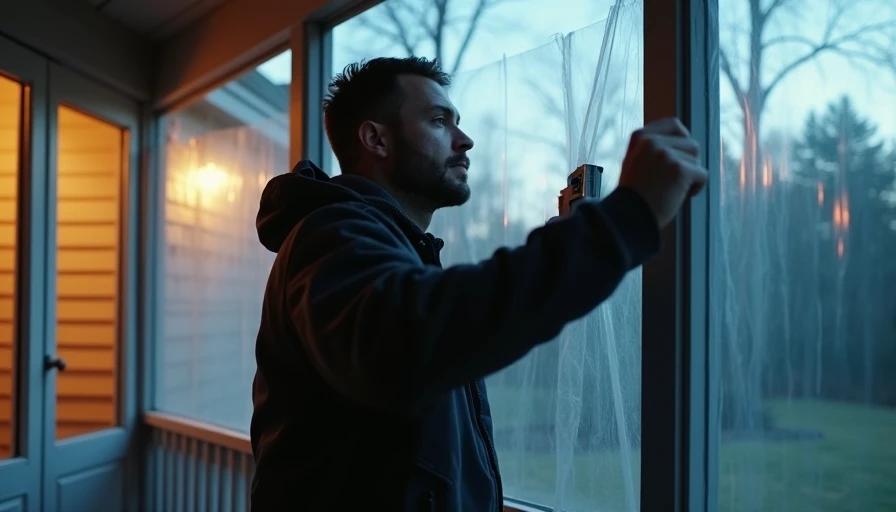
- **Frost King shrink film** is the classic solution: double-sided tape, a hair dryer, and about $10–$20 per window. It works well on windows but is too fragile for door-size openings.
- For larger openings, consider **insulated curtains** made from 100% polyester thermal fleece ($30–$60 per panel). Hang them close to the screen with a tension rod. They trap a layer of air and look decent enough.
- **Foam board insulation** can be cut to fit inside the screen frames, but it's ugly and blocks all light. Only do this if you're storing the porch and never looking at it from inside.
Pro tip: If your porch has a ceiling fan, reverse it to clockwise for winter. It pushes warm air trapped near the ceiling back down. That tiny trick saved my neighbor about $15 a month on his electric bill last winter.
Protect Your Furnishings
Even after you winterize a screened porch, it's still not indoor space. Moisture and temperature swings will destroy cushions, rugs, and metal furniture if you leave them exposed.
- **Store cushions and pillows** in a dry shed or garage. If you have to keep them on the porch, use a waterproof deck box—but know that even those can trap condensation in spring.
- **Wicker and rattan** don't like wet cold. Either move them indoors or cover them tightly with a breathable furniture cover (about $20–$40 for a standard chair).
- **Metal tables and chairs** should be checked for rust spots before winter. Touch up with rust-resistant paint. Cheap powder-coated aluminum from big-box stores usually chips after two seasons—don't expect five.
One thing I see all the time: people wrap their furniture in plastic tarps, which traps condensation and ruins the finish. Use a fabric cover with vents, or just move the stuff inside. Your furniture was not built for freeze-thaw cycles.
Monthly Checkups
Winter doesn't end after you button up the porch. A quick ten-minute walkaround once a month can catch problems before they become expensive.
- Check for **pests**: Mice will chew through vinyl film if they smell food from the house. Look for droppings or chewed edges.
- Look for **ice dams** on the porch roof. If you see icicles hanging from the gutters over the porch, you're losing heat from the house and ice is backing up under the shingles. That's a separate fix (insulate the attic above the porch), but one you need to address.
- **Re-caulk if needed**: If you see a gap open up after a freeze, fill it. Caulk shrinks with temperature swings. Keep a tube handy.
The Bottom Line
To properly winterize a screened porch, you'll spend somewhere between $50 (basic plastic film and caulk) and $300 (vinyl panels, weatherstripping, and insulated curtains). That's a fraction of what it would cost to repair rotted framing or water damage next spring. For an older home especially, skipping this annual job is like leaving a window open all winter—you're paying for it one way or another.
Fix the house you have, not the fantasy version of it. Your porch doesn't need to become an Instagram-worthy sunroom. It just needs to survive February without leaking into your living room.