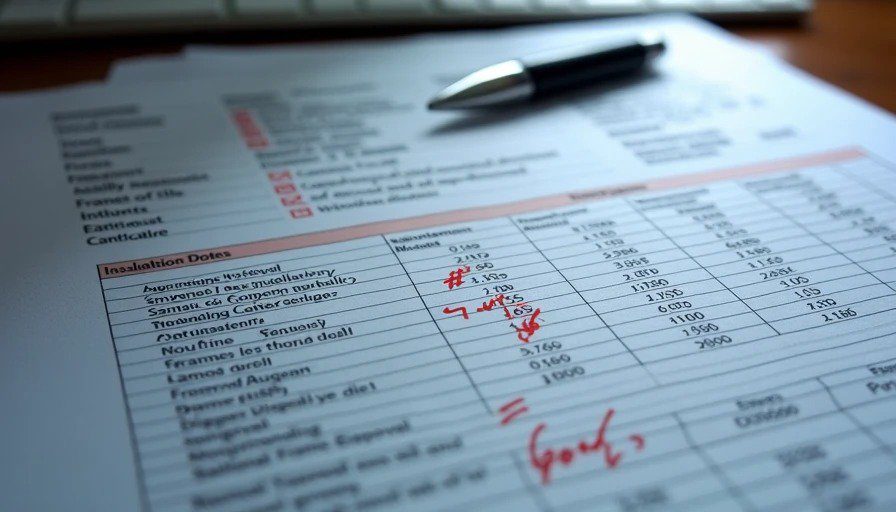
The Remodel That Looked Amazing Until the First Big Spill
I’ve remodeled dozens of family kitchens in older homes. One couple went all-in on trendy open shelving, fancy tile backsplash, and high-end painted cabinets. They saved on cabinet boxes, countertops, and plumbing upgrades. Eighteen months later the thermofoil was peeling, the laminate counters were stained forever, and a minor leak behind the sink turned into major water damage because the particleboard swelled up. They spent another $18k fixing what they thought they’d saved on.
That’s the pattern I see constantly. Families chase Instagram looks and end up with kitchens that feel cheap fast. In real life with kids, pets, and daily cooking, certain things must be done right. Others are pure vanity.
Hidden Systems: Never Cut Here
In older homes this is non-negotiable. You’re opening walls once—do it right.
Spend the money on:
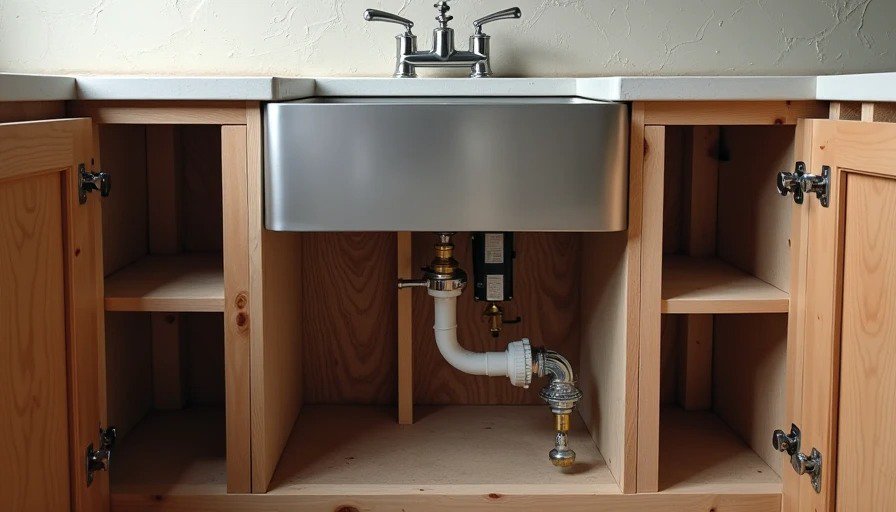
Full evaluation and upgrades to plumbing and electrical while everything is accessible. New PEX lines, proper shutoffs, dedicated circuits for appliances, GFCI protection. Skipping this guarantees you’ll tear out new finishes later.
Good ventilation — range hood that actually vents outside, not just recirculates. Cheap ones fail fast and leave grease everywhere.
Moisture management around sink, dishwasher, and fridge areas.
I tell every client: Budget 20-25% of your total kitchen project specifically for these hidden fixes. It feels painful upfront. It saves you from $10k+ disasters down the road.
Cabinetry: Where Quality Pays and Where You Can Trim
This is my wheelhouse. Don’t waste money on fancy door styles if the box is junk.
Spend on:
Plywood box construction (not particleboard or MDF). It holds up to real use and minor leaks.
Solid wood or quality veneer doors on base cabinets and high-use areas.
Heavy-duty soft-close hinges and full-extension undermount drawer slides (Blum or equivalent). These make daily life smoother and last.
Proper installation with shimming for older uneven walls and floors.
Cut on:
All-solid wood everything — plywood with good doors gives 90% of the benefit at lower cost.
Trendy painted colors if you’re not ready for maintenance. Stick with more forgiving stains or laminates in lower-traffic spots.
Upper cabinets if your layout allows open shelving or fewer uppers. Many families overpay for storage they don’t truly need.
A solid mid-tier cabinet package with good bones will look better in year five than premium junk.
Countertops and Surfaces: The Daily Battleground
Countertops take the most abuse. This is not the place to go ultra-cheap.
Spend wisely:
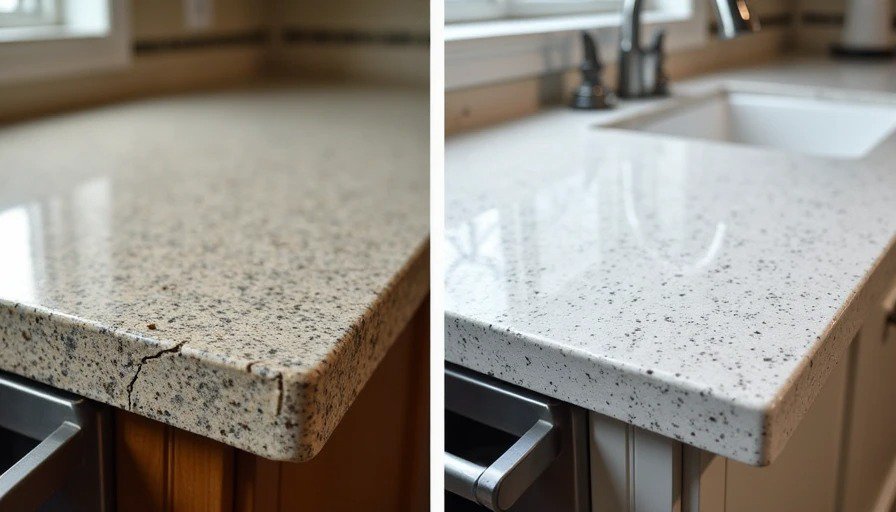
Quartz or quartzite for high-use areas. Durable, non-porous, heat-resistant, and looks premium for years with minimal sealing.
Stainless or solid-surface sinks that are properly undermount with excellent sealing.
Where to cut:
Laminate on secondary surfaces or islands if budget is tight — choose thicker, better-backed versions and accept they won’t last forever.
Elaborate edge profiles or exotic stones that cost double for marginal gains.
Real talk: A good quartz countertop might run $60–$90 per sq ft installed. Cheap laminate $20–$40. The difference shows in five years of family life.
Appliances and Finishes: Smart Tradeoffs
Spend on:
Reliable mid-to-upper mainstream appliances (not the absolute cheapest builder grade, not the flashy pro models). Look for strong warranties and repairability.
Hardwood or quality LVP flooring that matches the rest of the house flow.
Good lighting — layered task, ambient, and accent that actually helps you cook.
Cut on:
Custom tile backsplashes that require expert install and are hard to repair. Simple subway tile or even painted drywall with good trim works fine.
Designer faucets and hardware — functional, matching pieces from reputable lines do the job without the markup.
Extended warranties on everything — most quality appliances don’t need them if you buy smart.
Practical Spend vs Cut Table for Family Kitchens
Category | Spend Here (Why) | Cut Here (How) | Typical Savings Impact |
|---|---|---|---|
Plumbing/Electrical | Full upgrades while open | None | Prevents $10k+ fixes |
Cabinet Boxes | Plywood construction | Particleboard cores | +15-25% cost |
Countertops | Quartz in main areas | Laminate on secondary | Big durability win |
Hardware | Quality soft-close & slides | Basic visible hinges | Daily usability |
Backsplash | Simple durable tile | Elaborate mosaics or natural stone | Significant savings |
Appliances | Reliable mid-tier with good service | Builder basic or ultra-premium | Balanced longevity |
Flooring | Quality LVP or hardwood | Cheap vinyl that looks fake | Long-term value |
Use this as your reality check when quotes come in.
Hiring and Sequencing for Older Homes
Hire a GC or experienced crew who knows older houses. Get multiple bids with clear breakdowns. Never let the lowest bidder cut the hidden work.
Sequence matters: Systems first, cabinets and counters next, then finishes. Rushing this order creates expensive callbacks.
The homeowner contributor learned this across two renovations. First kitchen they chased looks and trendy features. It aged poorly and needed rework. Second time they followed this exact spend/cut logic. The kitchen still functions and looks solid years later with normal family wear.
After the Remodel: Making It Last
Document every detail — photos of plumbing, electrical, warranties. Maintain seals around sinks. Address leaks immediately. Plan for minor touch-ups instead of full redos.
A smart family kitchen remodel in an older home typically runs $25,000–$60,000 depending on size and scope in 2026. The ones that stay enjoyable for 10–15+ years are the ones where money went into the bones and daily-use surfaces, not showy details.
Real Contractor Truth
There are places to be frugal in a kitchen remodel. Fancy backsplashes, exotic hardware, and all-solid wood boxes in low-use areas are usually not those places. But cutting corners on what’s behind the walls or what your family touches every single day is how projects turn into regrets.
I’ve installed the flashy failures and the quietly excellent ones. The families who listen and prioritize function over flash don’t call me back crying about peeling doors or stained counters.
Fix the kitchen you actually cook and live in. Respect the older home’s realities. Spend where it counts. Cut where it doesn’t. You’ll have a space that works hard for your family instead of one that looks good only in photos.
Your budget will stretch further, and your sanity will thank you every time you open a drawer that still glides smoothly or wipe a counter that doesn’t show every mark.
No feedback yet — submit the first.