The Claim That Started With “Just a Few Shingles”
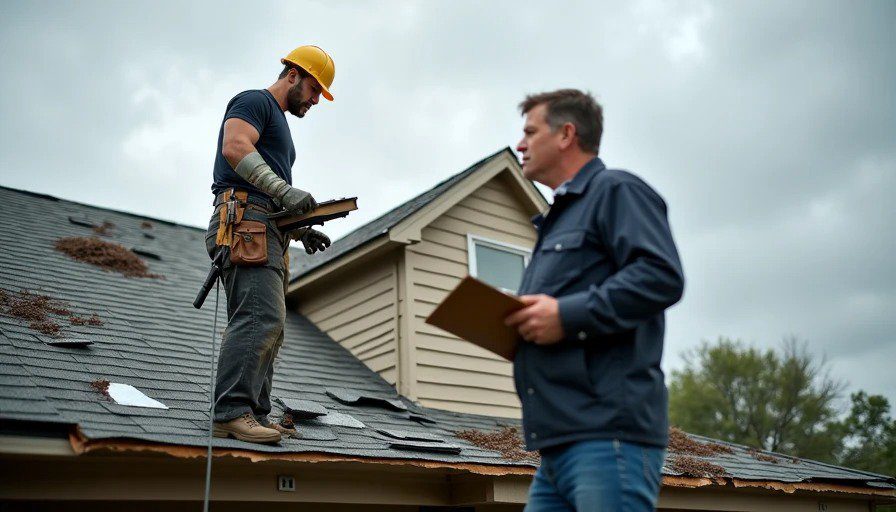
I’ve stood on countless roofs right after storms with homeowners who thought the damage looked minor. One family in a hail-prone area called after a big storm. They saw a handful of missing shingles and figured a quick repair would do. The adjuster came out, wrote a small check, and left. Two months later they had interior leaks and called me back. What started as a $2,800 repair turned into a full replacement after we proved widespread hidden damage. The insurance company fought it, but we won on appeal with proper documentation.
That’s the contractor-side truth most families never see. Claims are not automatic payouts. They’re negotiations where preparation wins.
How the Process Actually Works on the Ground
After a storm, you call your insurance company fast—within days, not weeks. Provide date, storm details, and initial photos. They assign an adjuster. Then the real work begins.
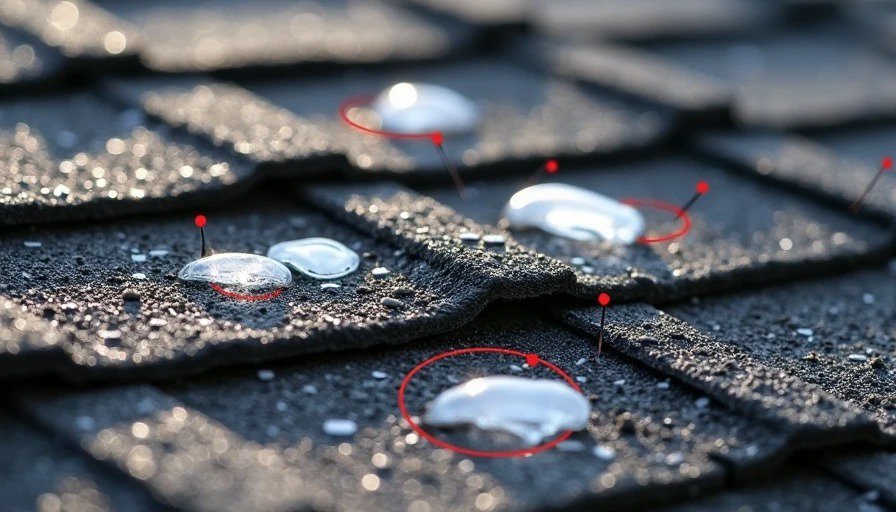
As the contractor, I show up early with ladders, drone if needed, and a camera. I document everything: granule loss, dents, lifted shingles, flashing damage, vent issues. Adjusters are generalists. They miss things a roofing pro spots immediately.
Key steps I follow on every claim:
Full roof inspection from all angles, including attic if accessible for water intrusion signs.
Detailed photos and measurements of every plane.
Written estimate using industry-standard software that matches insurance formats.
Identification of secondary damage: deck rot, underlayment failure, ventilation problems worsened by the storm.
Many claims get lowballed on the first visit. Adjusters might say “wear and tear” or “cosmetic only.” That’s where a good contractor pushes back with evidence.
What Adjusters Look For — And What They Often Miss
Insurance companies check for patterns that prove recent storm causation versus age or poor maintenance. Random hail dents across the roof, directional wind damage lifting shingles in one direction — these help.
But here’s what happens in the field:
Adjusters sometimes spend 15-20 minutes on the roof and miss soft decking, valley issues, or pipe boot failures. Older roofs get extra scrutiny. They’ll argue pre-existing damage to reduce payouts.
From my experience handling claims:
Hail damage: Look for bruising, fractures, and granule loss in random patterns. Not every shingle needs to be destroyed for a full replacement to make sense.
Wind damage: Uplifted edges, missing tabs, torn flashing. Even a few missing shingles can indicate broader issues.
Hidden problems: Water intrusion that shows in the attic or ceilings weeks later often requires supplemental claims.
I’ve seen claims denied or underpaid because homeowners waited too long or had poor initial documentation. One family lost thousands because they didn’t have pre-storm photos of the roof condition.
Red Flags and Contractor Traps to Avoid
Storm chasers flood neighborhoods after big events. They promise “we’ll handle the insurance” and push questionable tactics like inflating damage. Stay away. They often do poor work and leave you with denied future claims.
Legitimate contractors:
Never ask you to sign over your insurance check.
Don’t pressure you to file before you’re ready.
Provide transparent, itemized estimates.
Work with you through the entire process, including supplements.
Always verify licensing, insurance, and references. Get everything in writing.

Your Best Defense: Documentation and the Right Team
Take your own photos immediately after the storm — from ground and roof if safe. Note dates, weather reports. Hire an independent inspector or experienced contractor before the adjuster arrives if possible.
When the adjuster shows up, be present. Walk them through the damage with your contractor. Provide our report. If the initial settlement feels low, request a re-inspection or involve a public adjuster for complex claims.
Practical checklist before signing anything:
Confirm the estimate includes full tear-off if needed, proper underlayment, and ventilation upgrades.
Verify manufacturer certification for warranty eligibility.
Understand your deductible and depreciation (actual cash value vs. replacement cost).
Get timelines and payment schedule clear.
Document the final walkthrough with photos.
After the Claim: What Most Families Forget
Once approved, the real work starts. Insist on quality installation — not the cheapest crew. Register warranties immediately. Keep all paperwork for future sales or additional claims.
Many families think the claim ends when the check clears. It doesn’t. Poor workmanship after a claim leads to leaks and denied future coverage.
The homeowner voice on our team went through this twice. First time, they trusted the insurance adjuster’s low assessment and a cheap contractor. Leaks returned. Second renovation, they brought in a solid roofer early, documented everything, and fought for a fair full replacement. The house stayed dry through the next storms.
Real Costs and Timing Reality
In 2026, a typical storm claim replacement on a 2,000 sq ft home can run $12,000–$22,000 depending on materials, location, and damage extent. Insurance often covers most after deductible, but supplements for hidden damage are common and require persistence.
Don’t rush. A properly handled claim protects your investment for decades. A sloppy one creates years of headaches.
I’ve seen families win big by being prepared. I’ve seen others lose thousands by trusting the process blindly. The difference is always preparation, the right contractor, and refusing to accept the first low offer without evidence.
Protect your roof like the big-ticket item it is. Document thoroughly. Hire pros who know the claims game. Fight for what the storm actually took. Your home — and your wallet — deserve that much.

No feedback yet — submit the first.