The $4,000 Repair That Should Have Been a Replacement
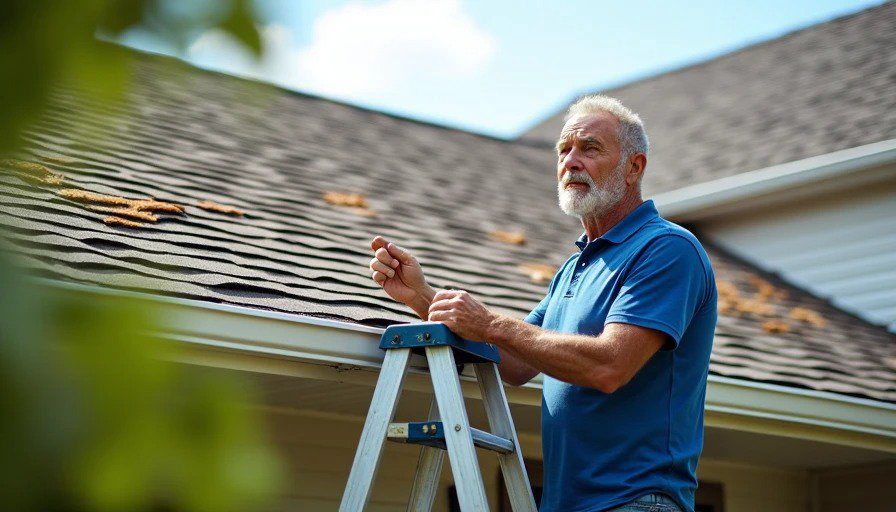
I’ve been on thousands of roofs as a contractor. Homeowners often call for a “quick patch” on storm damage or a few curled shingles. Six months later they’re calling again because the patch failed and water got in. One family spent $4,200 on repeated repairs over two years before finally replacing the roof—for $14,000. Had they done the full job earlier, they would have saved money and avoided interior damage.
That’s why every older-home owner needs a clear decision tree. Not sales hype. Real field logic.
Age, Condition, and the Point of No Return
Most asphalt shingle roofs last 15–25 years depending on climate, ventilation, and installation quality. Once you hit 18–20 years, repairs become band-aids.
Key factors to evaluate:
Roof age: If it’s 20+ years old and you’re seeing widespread granule loss, curling, or brittleness, replacement is usually smarter.
Number of existing layers: Most codes allow only two layers. Three or more? Full tear-off required. Overlays trap moisture and shorten life.
Overall condition: Less than 20-25% damage (missing shingles, leaks) can often be repaired. More than that, especially if multiple planes or valleys are affected, replace it.
I tell homeowners: Walk the roof (safely) or hire an inspector. Look for sagging, dark streaks, moss growth, and missing granules in gutters. These signal the end is near.
Repair vs Replacement Decision Tree
Use this straightforward framework:
Repair is reasonable when:
Roof is under 15 years old
Damage is isolated (one or two areas from a fallen branch or small hail)
No signs of interior leaks or deck rot
Only 1-2 layers present
Remaining life is estimated at 5+ years
Replacement makes sense when:
Roof is 18+ years old
Multiple leak points or widespread deterioration
Previous repairs failing
Insurance claim for significant storm damage (often covers full replacement)
Energy efficiency or warranty concerns (new roofs qualify for better incentives)
Selling the house soon—buyers and appraisers prefer new roofs
During my years handling insurance claims, I saw adjusters push partial replacements that looked good on paper but failed quickly because matching old shingles is nearly impossible. Full replacement with matching or upgraded materials is cleaner.
What the Inspection Really Reveals
A proper roof evaluation goes beyond walking the surface. We check:
Decking condition (soft spots, rot from past leaks)
Ventilation (soffit + ridge vents critical for longevity)
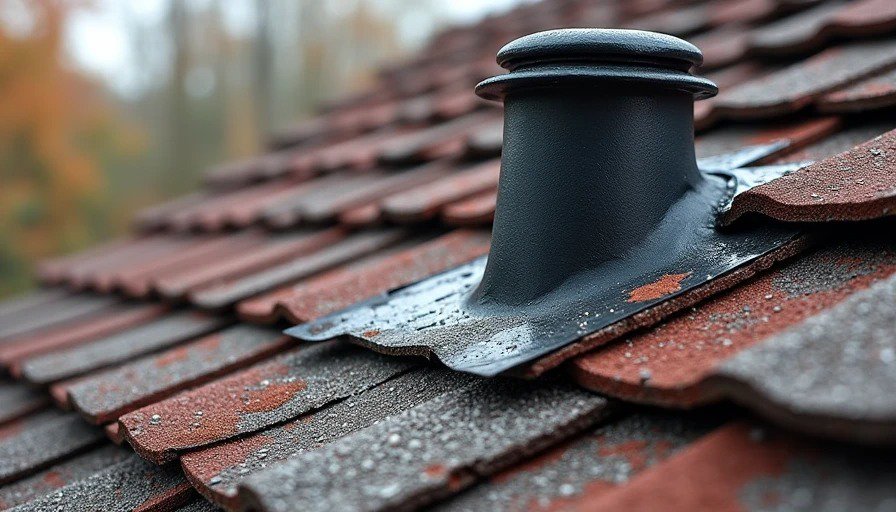
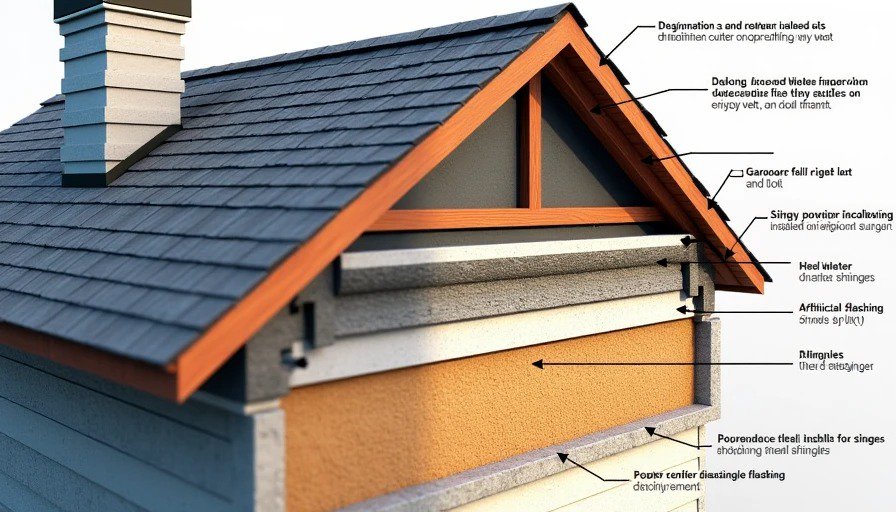
Flashing around chimneys, vents, skylights, and valleys
Underlayment integrity
Attic insulation and moisture issues
One inspection I did for a family in a hail-prone area showed only minor surface damage. But underneath, the decking was compromised on the north side from years of poor ventilation. Repair would have been a waste. We replaced the whole roof and prevented bigger problems.
Rick’s Rule: If you’re spending more than 30-40% of a full replacement cost on repairs, just replace it. You’ll thank yourself in five years.
Cost Reality Check (2026 Numbers)
Spot repairs: $500–$2,500 depending on scope
Partial replacement (one plane): $4,000–$9,000
Full tear-off and replacement (average 2,000 sq ft home): $9,000–$18,000 for quality architectural shingles with proper underlayment and ventilation
Factor in your location, roof pitch, accessibility, and disposal costs. Insurance may cover storm damage but rarely pays for normal wear. Get multiple bids from licensed, insured contractors with manufacturer certifications.
Timing and Planning Matter
Don’t wait for a massive leak. Schedule an inspection every 3–5 years after year 15. If you’re planning other renovations, coordinate the roof work early. There’s nothing worse than installing new windows or siding only to have roofers damage them later.
For families on a budget: Prioritize the roof before big interior upgrades. Water damage from a failing roof will destroy new kitchens and floors fast.
The homeowner contributor on our team learned this the hard way in their first renovation. They patched the roof to save money. Six months later, a storm turned those patches into leaks that ruined new drywall. Second house—they replaced proactively. No regrets.
After the Decision: Protecting Your Investment
Whether you repair or replace:
Document everything with timestamped photos
Register manufacturer warranties immediately
Maintain gutters and trim trees
Re-inspect annually
A well-installed roof with proper ventilation and flashing can last 25–35+ years. Cut corners here and you’ll pay repeatedly.
Bottom Line for Older Homes
Older houses often have good bones, but their roofs tell the real story. Use this decision tree. Get independent eyes on it. Don’t let a smooth-talking salesman push you into the wrong choice.
Repair when it truly makes sense. Replace when the numbers and condition say so. Either way, do it right the first time. Your family’s safety, your wallet, and your home’s value depend on it.
I’ve seen too many families burned by hesitation or cheap fixes. Don’t join them. Make the smart call based on facts, not fear or pressure.

No feedback yet — submit the first.