
The “Premium Windows” That Still Whistled in Winter
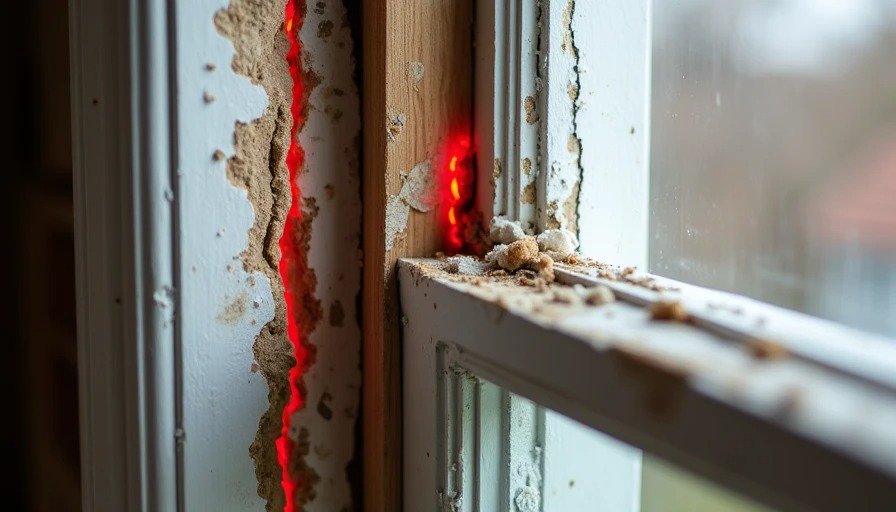
I’ve installed and troubleshot thousands of windows. One family replaced every window in their 1970s ranch with a top-tier fiberglass line. Six months later they were still bundling up because cold air poured in around the frames. The windows themselves were excellent. The installation was sloppy—missing flashing at the sill, insufficient foam, and poor exterior sealing. Fixing it required pulling several units and redoing the work at significant extra cost.
This story repeats far too often. Homeowners blame the brand or the glass when the real issue is how the window was put into their older, settled house. High-quality products cannot overcome bad installation.
Why Installation Causes More Drafts Than Product Failure
Older homes have framed openings that have shifted over decades. Walls settle, wood twists, and moisture history creates uneven rough openings. Modern replacement windows are precision-engineered, but they still need expert integration into that imperfect structure.
Common installation mistakes I see:
Inadequate rough opening prep: Not squaring or cleaning the opening properly.
Poor shimming and leveling: Window frame distorts, creating gaps that weatherstripping can’t seal.
Missing or improper flashing: Water and air get behind the frame, especially at the sill.
Insufficient insulation: Spray foam or fiberglass not fully filling the gap around the jamb.
Bad sealing: Skimped caulk, no backer rod, or failure to seal both interior and exterior.
Leaving old components: Partial “pocket” replacements that don’t address the old jamb and sill.
Even the best Low-E argon-filled glass won’t stop air leaking around the frame.
How to Diagnose the Real Source of Drafts
Don’t assume new windows are the fix. Test properly:
Simple home tests:
On a windy day, use a lit incense stick or tissue around interior trim and sash edges. Moving smoke or flickering flame shows leaks.
Wet the back of your hand and run it along seams—cold spots are obvious.
Check for light visible through closed windows at night from outside.
Feel temperature differences near windows versus walls.
If drafts are mainly around the perimeter of the frame (not through the glass or sash), installation is the likely culprit. Condensation between panes points more to product seal failure.
During my field days, I’d open a few interior trim pieces on callback visits. Nine times out of ten, the gap behind the jamb wasn’t properly foamed or the sill wasn’t flashed correctly.
Fixing Installation Problems Without Full Replacement
If the windows are relatively new:
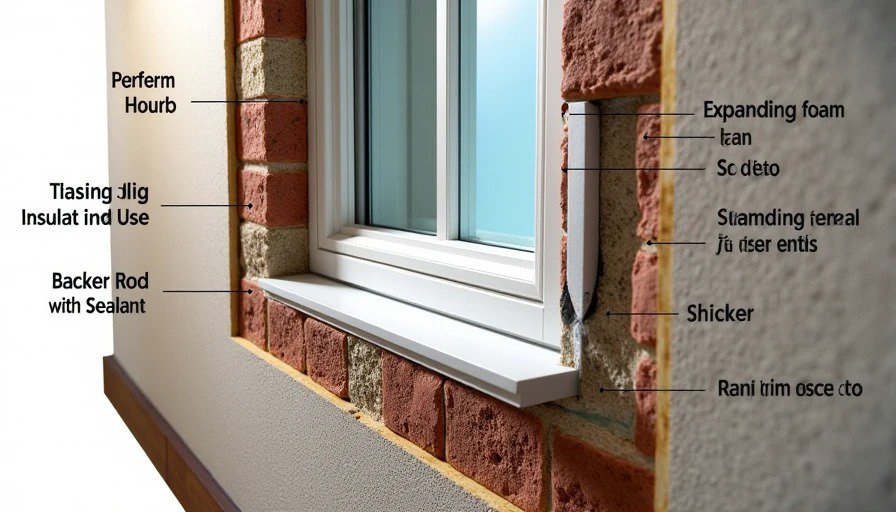
Exterior sealing: Re-caulk where siding meets the window frame and at the sill. Use high-quality exterior-grade sealant with proper backer.
Interior fixes: Remove trim carefully, add expanding foam where gaps exist, then re-trim and caulk.
Professional re-work: For bad cases, a good installer may need to remove and reinstall affected windows with proper flashing and insulation.
Prevention during initial installation is far cheaper. Insist on certified crews who document each step with photos.
Key best practices for older homes:
Full removal of old jambs and sills when possible.
Proper sill flashing with positive slope outward.
Continuous air sealing with high-quality materials.
Multiple shims to keep the frame perfectly plumb and square.
Full perimeter sealing inside and out.
The Cost of Getting It Wrong
A quality window installation adds $200–$500 per opening in labor and materials for doing it right. Skimping can cost you thousands in energy loss, comfort issues, callbacks, and eventual re-work. In cold climates, persistent drafts from poor installs can add hundreds to annual heating bills.
During renovation, schedule window work after major structural and system repairs but before final interior finishes. This avoids damaging new paint or trim.
Jamie (our GC) has seen it repeatedly: “They saved $3,000 on installation. Then spent $8,000 on energy and comfort fixes over five years.”
The homeowner contributor lived this. Their first renovation used a low-bid crew for windows. Drafts and condensation plagued them. Second time, they demanded proper methods and documentation. The house felt noticeably tighter and quieter.
After the Fix: Verification and Maintenance
Once corrected:
Test again with incense on a cold/windy day.
Document the work with photos for your records and warranty.
Schedule a one-year follow-up with the installer.
Maintain exterior caulk every 3–5 years.
Register all manufacturer warranties immediately and keep records of installation details.
Making Sure It Doesn’t Happen to You
When getting quotes, ask specific questions:
Will you fully remove old frames or use inserts?
What flashing and insulation details will you use?
Can I see photos from recent similar jobs?
Are you manufacturer-certified?
What is your workmanship warranty?
Walk away from any crew that treats installation as an afterthought. The difference between a good window job and a great one is almost entirely in the execution.
I’ve specified and installed both premium and solid mid-tier windows. The ones that performed best were always the ones installed with care in older homes. Product quality matters, but installation quality decides whether your investment actually delivers comfort and efficiency.
Don’t let drafty windows after replacement sour you on the whole project. Slow down, vet the installer as carefully as the product, and demand proof of proper methods. Your family will feel the difference every single day—quieter, more comfortable rooms and lower energy bills.
Older homes have charm worth preserving. Done right, new windows enhance that without the regrets. Focus on the installation details. That’s where the real performance lives.


No feedback yet — submit the first.