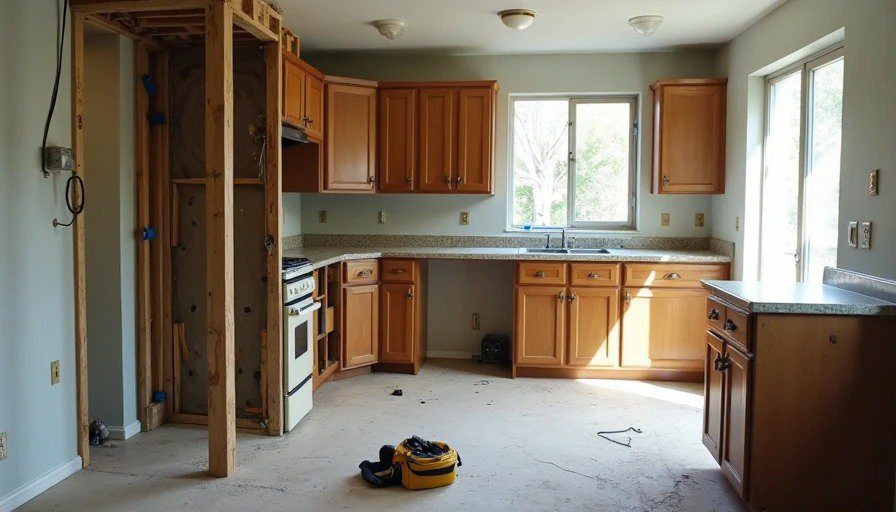
Families walk into my inspections excited about new countertops and fancy flooring. Then I open the panel or crawl under the house. The “small” electrical or plumbing issues turn their dream remodel into a money pit. I’ve watched $30,000 kitchen upgrades get torn out six months later because nobody addressed the 100-amp panel or the rotting galvanized pipes first.
This isn’t theory. It’s the pattern I saw for years as a home inspector. Prioritizing repairs over upgrades isn’t sexy, but it keeps you from going broke.
Safety and Systems Before Cosmetics
The rule is simple: Fix what can kill you, flood you, or burn the house down before you touch anything that just looks nice. Electrical and plumbing top the list in older homes.
Modern families load houses with appliances, chargers, and gadgets that 1970s wiring never anticipated. A full rewire on a typical 2,000 sq ft home runs $8,000–$15,000 depending on access and complexity. A new kitchen with all the bells and whistles? Easily $25,000–$50,000. Do the kitchen first and you risk tearing it apart later.
Same with plumbing. Replacing galvanized lines or polybutylene while walls are open costs far less than emergency fixes after new finishes are in place.
Jamie’s take as a former GC: “I’ve ripped out brand-new cabinetry because the homeowner wanted pretty first. The plumbing leak behind the wall didn’t care about the quartz counters.”
Electrical Priorities: What Must Happen First
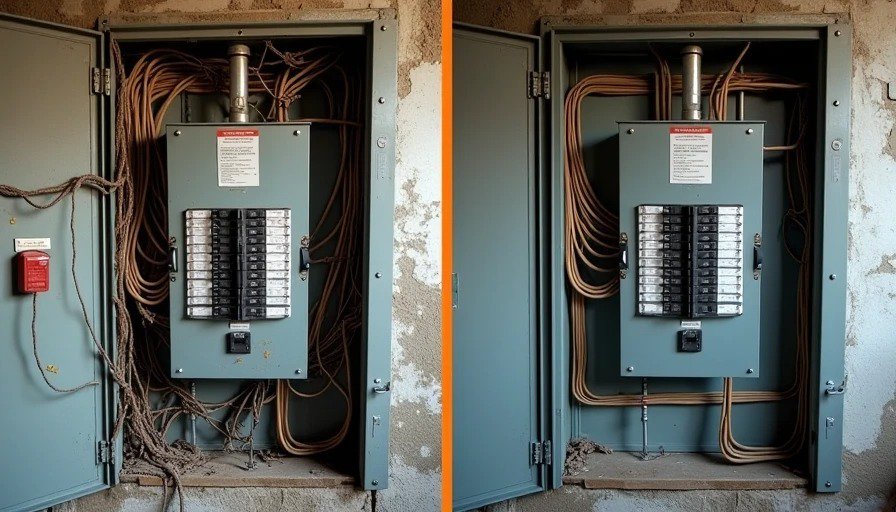
Start with the panel and main service. Many older homes sit on 100 or 150 amp service. Today you need 200 amps minimum. Overloads cause heat, tripped breakers, and fires.
Key repair-first items:
Upgrade outdated panels (Federal Pacific, Zinsco, etc.)
Replace aluminum wiring or knob-and-tube
Add GFCI and AFCI protection in required areas
Install whole-house surge protection
Run dedicated circuits for major appliances
Don’t upgrade the lighting fixtures until the system can safely handle them. I’ve seen beautiful chandeliers installed on circuits that were already maxed out.
During renovation, sequence matters. Get the electrician in early, right after demolition but before insulation and drywall. This keeps costs down and prevents callbacks.
Plumbing: The Hidden Destroyer
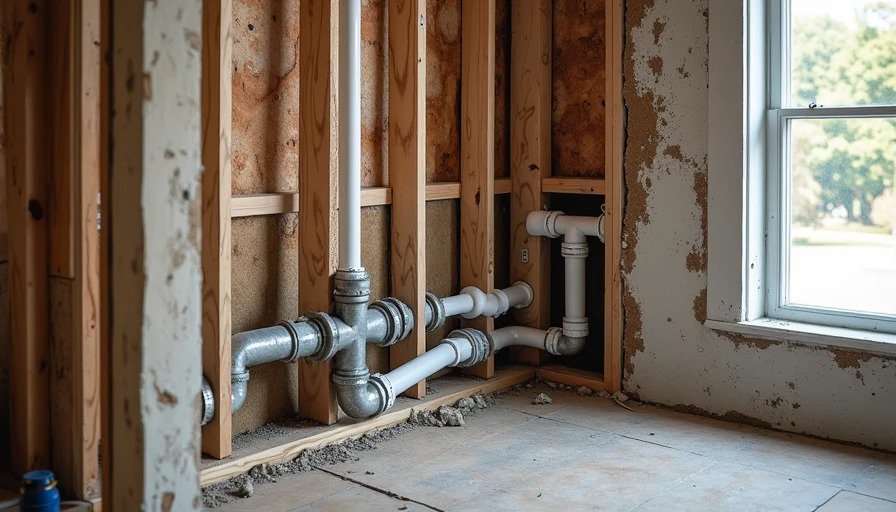
Water finds every weakness. Galvanized pipes corrode internally. Old cast iron drains clog and crack. A single undetected leak can cause mold, structural rot, and insurance fights.
Prioritize:
Main water line and sewer scoping
Replacing problematic pipe materials (especially while walls are open)
Fixing or replacing the water heater
Upgrading shutoff valves and adding isolation valves
Addressing any slab leaks or foundation drainage issues
The homeowner contributor on our team ignored minor plumbing red flags in their first renovation. Six months later they had water damage under new flooring. Second time around they budgeted for full accessible repiping upfront. The difference was thousands in stress and rework.
Building Your Priority List
Here’s the practical checklist I give every family:
Safety first — Electrical hazards, gas leaks, structural issues from water.
Envelope protection — Roof, windows, foundation drainage (Rick and Tanya cover these deeply elsewhere).
Major systems — Full electrical evaluation and plumbing assessment.
Health threats — Mold, asbestos, lead paint if disturbing walls.
Efficiency upgrades — Insulation, sealing after systems are solid.
Then finishes — Kitchens, floors, paint.
Budget 1-3% of your home’s value annually for maintenance and surprises. For a $400k house, that’s $4,000–$12,000 per year. Older homes lean toward the higher end.
Hiring the Right Help
Don’t cheap out on the specialists. A licensed electrician and plumber who know older homes will save you more than they cost. Get multiple bids. Ask specifically about experience with your house’s era and materials.
Red flags when hiring:
Quotes that seem too low
No mention of permits
Pressure to bundle cosmetic work immediately
Vague timelines or scope
Document everything. Photos before, during, and after. This protects you on warranties and future sales.
Real-World Cost Comparisons
Partial electrical upgrade (panel + key circuits): $3,000–$8,000
Full home rewire: $8,000–$20,000+
Kitchen cosmetic remodel: $20,000–$60,000
Emergency plumbing repair after damage: Often 2-3x the preventive cost
Doing systems work during a planned renovation while walls are open can cut costs by 30-50% compared to opening finished spaces later.
After the Repairs: Smart Upgrade Path
Once the bones are solid, move to upgrades. But even then, be strategic. Choose durable materials that won’t need replacement soon. Jamie always says: “There are places to be frugal. New countertops on failing plumbing is not one of them.”
Track every repair with dates, receipts, and photos. This builds your home’s history for insurance, resale, and peace of mind.
The Long Game Pays Off
I’ve inspected houses where owners did it right—systems first, thoughtful upgrades later. Ten years on, those homes are solid, efficient, and command better resale value. The ones that chased trends first? They’re still chasing problems.
Older homes reward patience and realism. They have character new builds can’t match, but only if you respect what’s behind the walls.
Fix the house you actually have. Not the fantasy version on Pinterest. Start with the checklist. Hire qualified pros. Stay out of the “we have to rip it out again” cycle.
Your budget—and your sanity—will survive the renovation.


No feedback yet — submit the first.