
I’ve sat across from hundreds of homeowners with that hopeful look while handing them a roof estimate. Most don’t know what they’re looking at. One couple nearly signed a “great deal” that omitted full tear-off, proper decking replacement, and ice-and-water shield. When the real problems surfaced mid-job, change orders added over $12k. They called me in frustration after the fact. I’ve seen it too many times.
A proper estimate isn’t just a number. It’s a contract preview. Read it wrong and you’re steamrolled. Here’s the no-BS breakdown from someone who wrote hundreds of these.
What a Legitimate Roof Estimate Must Include
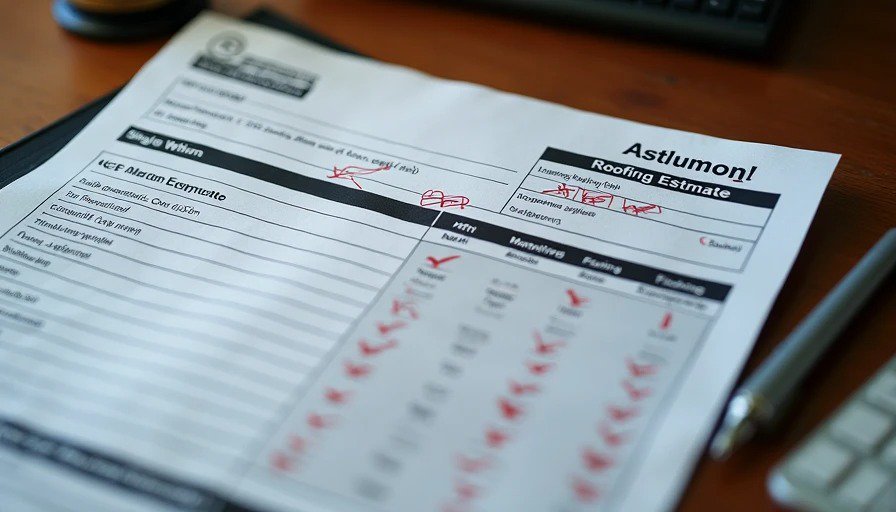
Never accept a one-line total or vague “roof replacement” quote. Demand this level of detail:
Scope of Work: Full tear-off (specify number of existing layers), deck inspection and replacement percentages (typically 10-25% in older homes), removal of all old materials.
Materials Breakdown: Exact shingle brand, style, color (e.g., GAF Timberline HDZ, CertainTeed Landmark, Owens Corning Duration), underlayment type (synthetic or self-adhered ice-and-water shield in valleys and eaves), starter strips, ridge vent, flashing (step, drip edge, chimney, valley), pipe boots, and sealants.
Labor and Disposal: Tear-off labor, new installation, cleanup, dump fees.
Permits and Warranties: Who pulls permits, manufacturer warranty details (often 50-year limited), workmanship warranty (usually 5-10 years or more with certified installers).
Exclusions and Add-ons: What’s NOT included, potential change orders for deck rot or unexpected issues.
Payment Schedule: Clear milestones, never full upfront.
Timeline: Start and completion dates with weather contingencies.
Contractor Info: Full license number, insurance details (liability and workers’ comp), company address.
Compare at least three written estimates. If one is 25-40% lower than the others, dig deep— it’s often missing critical items.
Red Flags That Should Make You Walk Away
From years in the field and processing insurance claims, these are the biggest traps:
Vague or Lump-Sum Pricing: “Roof replacement – $18,500.” No breakdown. This leaves room for them to cheap out on materials or labor later.
Pressure Tactics: “Sign today for this special price” or “Insurance won’t pay if you wait.” Legit contractors give you time.
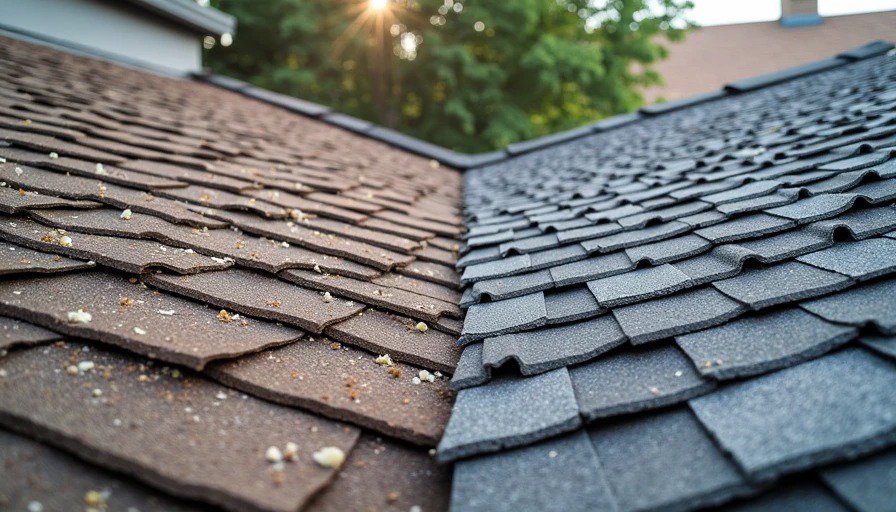
No Mention of Tear-Off: Overlays (installing new over old) are cheaper short-term but void warranties and lead to faster failure. Insist on full tear-off for older homes.
Missing Insurance/License Proof: No proof? Don’t proceed. Verify with your state licensing board.
Deductible Games on Insurance Claims: Any offer to “waive” or absorb your deductible is often fraud. Insurance pays only for covered damage—don’t let them inflate claims.
No Manufacturer Certification: For GAF, Owens Corning, or CertainTeed, certified installers get better warranties. Non-certified work can void coverage.
Huge Upfront Payment Requests: 10-30% deposit max is reasonable. Full payment before work starts is a scam risk.
I once had a storm chaser try to push a family into filing for “hail damage” on a roof that was just old. The adjuster caught it. The family almost lost their claim credibility.
Breaking Down the Big Brands: GAF, CertainTeed, Owens Corning
Don’t get sold on marketing. Here’s contractor reality:
GAF Timberline series — Often the most balanced. Strong wind ratings, good availability, solid warranties when installed by Master Elite contractors. Frequently comes in at competitive pricing.
Owens Corning Duration — Excellent impact resistance (good for hail areas), distinctive look. Slightly higher price point but performs well in varied climates.
CertainTeed Landmark — Premium positioning, nice aesthetics, strong durability. Usually the highest cost of the three but appeals to homeowners wanting that extra curb appeal.
Focus less on brand wars and more on: proper underlayment, ventilation (ridge + soffit), and certified installation. A well-installed mid-tier shingle beats a premium one slapped on poorly.
Typical 2026 Installed Costs (2,000 sq ft home, architectural shingles): $9,000–$17,000 depending on region, complexity, and materials. Always factor local labor and disposal fees.
Insurance Claims: The Paperwork That Matters Most
Storm damage claims are where most homeowners get burned. The estimate must clearly separate covered vs. non-covered items. Document everything with photos before work starts.
Key questions for the adjuster and contractor:
What exactly is being replaced due to covered peril?
Will they cover decking replacement if rot is found?
How are matching issues handled on partial replacements?
Get the contractor’s estimate, the insurance approval, and your own photos aligned. Poor documentation leads to denied claims or out-of-pocket surprises.
Your Step-by-Step Review Process
Get everything in writing.
Walk the roof (or hire an independent inspector) before signing.
Verify references and recent local jobs.
Confirm licensing and insurance certificates.
Review the contract line-by-line with the contractor present.
Don’t sign until you understand every line.
Include a clear punch list for final walkthrough.
After the Roof Goes On
Document the finished work with detailed photos. Register the manufacturer warranty immediately. Keep all paperwork for your home file—it helps with future sales and insurance.
A quality roof isn’t cheap, but a bad one costs far more in leaks, energy loss, and premature replacement. Respect the process. The families who take time to read the estimate properly are the ones who don’t get steamrolled.
I’ve seen too many regret the “easy” choice. Don’t be one of them. Demand clarity, verify credentials, and prioritize what keeps water out for decades—not just the lowest number on paper.
No feedback yet — submit the first.