I’ve inspected thousands of older homes. The ones that looked perfect on the surface often hid the biggest financial traps. Families fall in love with the charm, the yard, the location—then six months later they’re dealing with a failed panel or a slab leak that costs more than their down payment.
Electrical and plumbing systems are the two areas where “out of sight, out of mind” bites hardest. They weren’t built for today’s appliances, loads, or family demands. Skip a proper evaluation now and you’ll pay triple later.
Electrical Red Flags: The Fire Hazards Hiding in Plain Sight
Start at the main service. Most homes from the 1960s-1980s came with 100-amp or less service. Today’s families routinely need 200 amps. Overloaded panels lead to tripped breakers, flickering lights, and worse.
Key things to inspect:
Service size and panel type — Look for at least 200 amps. Avoid Federal Pacific, Zinsco, or Challenger panels—they have known failure rates.
Wiring type — Knob-and-tube (pre-1950s) lacks grounding and insulation. Aluminum wiring (1960s-1970s) expands/contracts and causes arcing. Cloth-wrapped Romex that’s brittle.
Grounding and GFCIs — Two-prong outlets everywhere? No GFCIs in bathrooms, kitchen, garage? Immediate safety upgrades needed.
Visible damage — Scorched breakers, loose wires, double-tapped lugs, extension cords daisy-chained as permanent wiring.
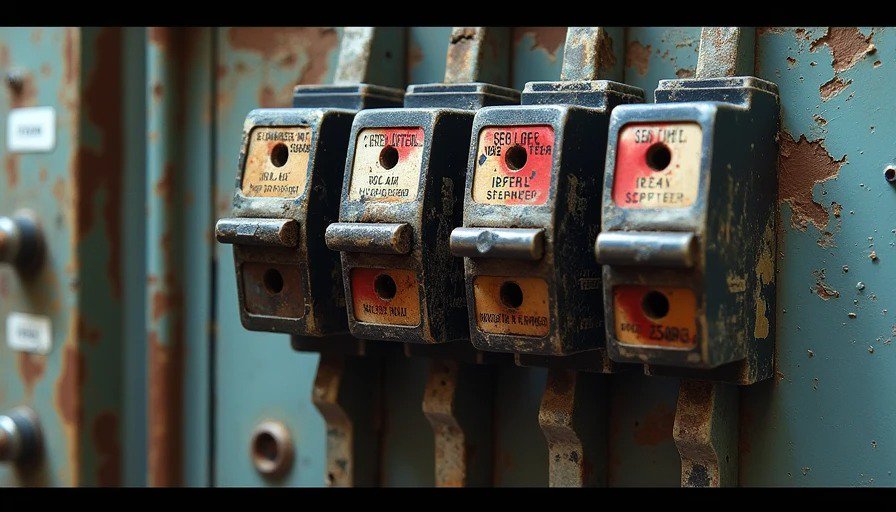
One house I inspected had a charming 1950s ranch. Panel looked okay until I opened it—aluminum wiring pigtailed poorly, multiple circuits overloaded. The buyers ignored my recommendation. Two years later, an electrical fire in the wall. Insurance fought the claim because of known pre-existing issues.
Hire a licensed electrician for a separate electrical inspection beyond the general home inspector. It’s worth every penny.
Plumbing Nightmares: What’s Behind the Walls
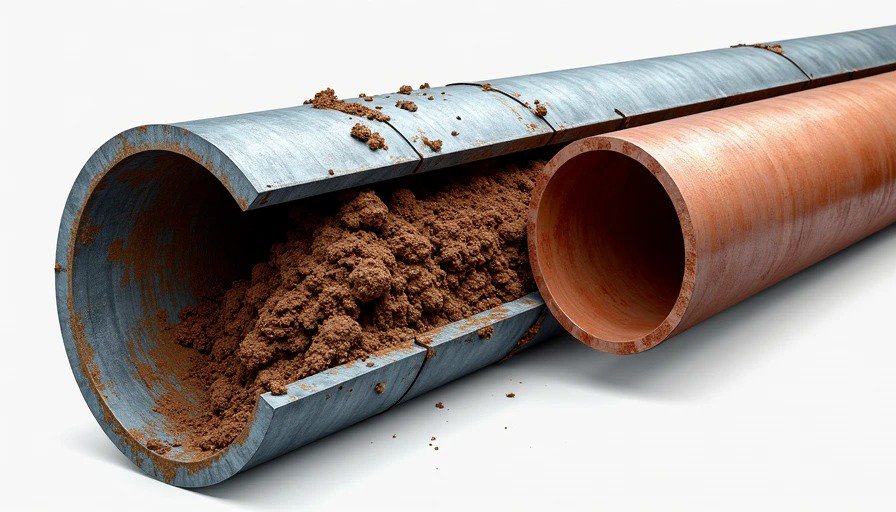
Galvanized steel pipes were standard until the late 1960s. They rust from the inside out, restricting flow and eventually leaking. Polybutylene (PB) pipes from the 1970s-1990s fail catastrophically. Cast iron drains corrode and clog.
Critical checks:
5-12 cover the big ones: water pressure at every fixture (low pressure = restricted pipes), discolored or metallic-tasting water, signs of past leaks (water stains, warped floors, musty smells), water heater age and condition (rust, leaks, sediment), main shutoff valve operation, visible pipe materials in basement/crawlspace, sewer line scoping for older homes, and drain performance.
I remember a 40-year-old colonial. Nice updates in the kitchen. But the main water line was galvanized and nearly clogged. Pressure dropped to a trickle when two showers ran. The seller “fixed” it with a band-aid. Buyers discovered it post-closing and spent $8,500 replacing lines.
Additional electrical/plumbing crossover checks (13-20):
Locations of all shutoffs and their functionality.
Presence of sump pumps and backup systems in flood-prone areas.
Any polybutylene or lead service lines.
Electrical outlets near plumbing for proper GFCI protection.
Bonding and grounding of plumbing pipes to electrical system.
Age and condition of the main sewer line.
Any DIY repairs visible (red flag for hidden problems).
Expansion tanks and pressure regulators if present.
The Full 24-Point Pre-Offer Checklist
Here’s the complete practical list I give families:
Main electrical service amperage
Panel brand and condition
Wiring types throughout accessible areas
Grounding system status
GFCI/AFCI protection locations
Any aluminum wiring
Water supply pipe material
Drain and sewer pipe material
Water pressure test (all fixtures simultaneously)
Water heater age, capacity, condition
Signs of past or active leaks
Main water and gas shutoffs
Electrical panel labeling accuracy
Outlet functionality and grounding (use tester)
Basement/crawlspace moisture around pipes
Sewer line camera inspection (strongly recommended)
Any knob-and-tube wiring remnants
Subpanel conditions if present
Hot water recovery time
Corrosion on visible pipes/fittings
Electrical boxes for overcrowding
Plumbing vent pipes in attic (blockages)
Whole-house surge protection
Recent permit history for electrical/plumbing work
Print this. Walk the house with it. Take photos of everything.
What to Do With the Results
Before you buy: Use findings to negotiate credits or repairs. Major issues like full rewire or repipe should come off the price or be seller-fixed.
Hiring contractors: Get multiple specialty bids early. A good electrician and plumber will confirm inspector findings.
During renovation: Tackle these systems first while walls are open. It’s cheaper and prevents destroying new finishes later.
After project: Document everything meticulously for warranties and future insurance.
Real Talk From the Field
Jamie (our GC) sees the aftermath constantly: “They bought the pretty kitchen but ignored the panel. Six months later we’re tearing out new cabinets to run new lines.”
The homeowner contributor on our team learned the hard way twice. First house: skimped on plumbing inspection. Second time: full specialist checks upfront. The peace of mind was worth the extra few hundred dollars.
Older homes have soul that new builds lack. Solid bones, better neighborhoods, character details. But respect the systems. A $400-800 investment in targeted inspections now can save $10,000–$30,000 later.
Don’t let emotion override these checks. Walk away from deals that don’t pencil out after inspection. There will be another house.
This checklist isn’t exhaustive—no single list is—but it catches the majority of budget-killing surprises in electrical and plumbing. Use it. Hire pros. Make decisions with eyes wide open.
Your future self (and your bank account) will thank you.

No feedback yet — submit the first.