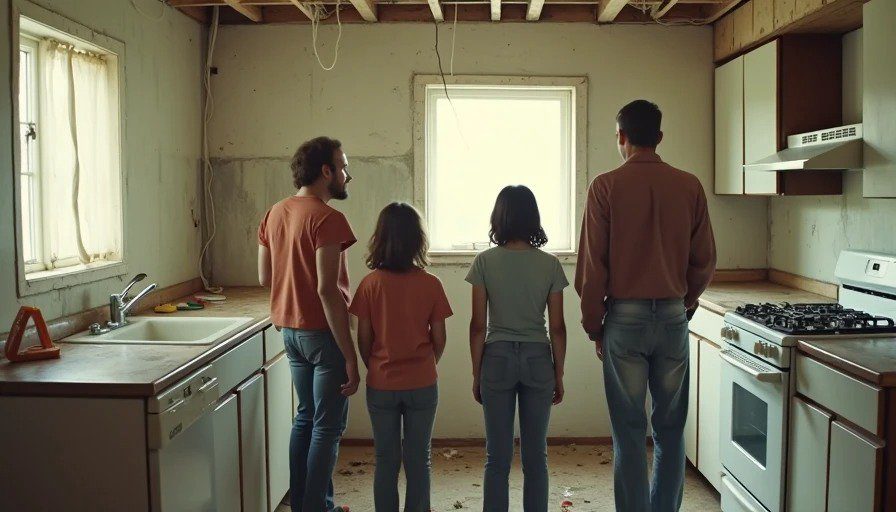
The $8,000 “Quick Fix” That Wasn’t
I’ve walked into hundreds of older homes as a home inspector. The story repeats. A family buys a charming 40-year-old house. They spot some flickering lights or a slow drain and think, “We’ll just patch that.” Six months later they’re staring at a $12,000 repair bill and wondering how it got this bad.
That’s why we built Fix Old Home. Not for pretty before-and-afters. For the families who can’t afford another expensive lesson.
Electrical Systems: The Silent Fire Starters
Old houses weren’t wired for today’s loads. A 1970s home might have been fine with a fridge, a few lights, and a TV. Now add air conditioning, computers, EV chargers, multiple TVs, and kitchen gadgets. The system fights back.
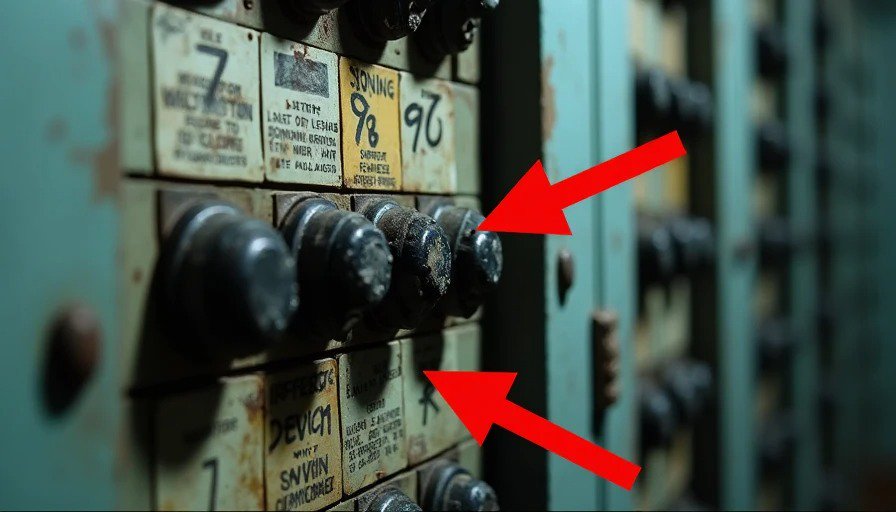
Common traps I see repeatedly:
Knob-and-tube wiring still lurking in attics and walls. Brittle insulation, no ground, fire risk.
Aluminum wiring from the 1960s-70s. Expands and contracts, loose connections, arcing.
Federal Pacific or Zinsco panels. Breakers that don’t trip when they should.
Overloaded panels with added circuits jammed in without proper upgrades.
One inspection stands out. Nice couple in a split-level. They’d just replaced the kitchen. New appliances, new lights. The panel was from 1978, already at capacity. A single overloaded circuit caused a small fire in the wall behind the new range. Insurance covered some, but not the panic, the smoke damage, or the lost time.
What you should do instead:
Get a licensed electrician for a full service panel evaluation early. Don’t wait until you’re mid-renovation and walls are open. Prioritize GFCI outlets in wet areas, proper grounding, and arc-fault breakers where required by current code. If aluminum wiring is present, decide now whether to pigtail with copper or rewire sections.
Plumbing: The Leak You Don’t See Until It’s Too Late
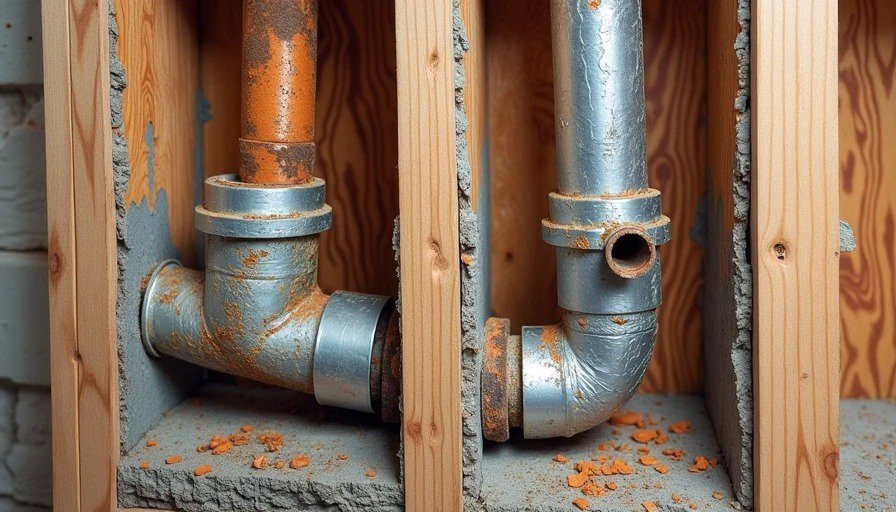
Galvanized steel pipes were standard until the 1960s. They rust from the inside. Water pressure drops. Then pinhole leaks appear. Polybutylene (PB) piping from the late 70s to mid-90s fails without warning.
I once inspected a house where the homeowners had “fixed” a bathroom leak themselves. They patched the visible pipe but ignored the cast iron drain line under the slab. Six months later the floor in the living room buckled. The repair involved jackhammering concrete, drying out the subfloor, and mold remediation. Total cost: over $15,000.
Red flags that scream “call a pro”:
Discolored or low water pressure at fixtures.
Metallic taste or rust in water.
Slow drains that cleaners don’t fix.
Water stains on ceilings or walls, especially after rain or heavy use.
History of previous leaks (ask the seller directly).
During renovation, the smartest move is often to replace vulnerable sections while walls are open. Running new PEX or copper lines can save massive headaches later. But don’t do it halfway. Map the whole system first.
Why “Small” Mistakes Compound Fast
These systems hide behind walls. You renovate the kitchen for $25,000 thinking it’s cosmetic. Then you discover the wiring can’t handle new appliances and the plumbing lines need rerouting. Suddenly you’re tearing out fresh drywall and eating another $8,000–$15,000.
Contractors see this daily. Jamie, our trim and cabinet guy who later became a GC, puts it bluntly: “People want the pretty stuff first. Then they cry when the inspector fails the electrical or we find rotted joists from a plumbing leak that’s been dripping for years.”
The homeowner voice on our team lived it twice. First renovation: ignored some minor plumbing issues to save money. Second time around they budgeted for full system checks upfront. The difference in stress and final cost was night and day.
Prioritization Checklist for Electrical & Plumbing
Use this before any major work:
Hire a licensed inspector or specialist for a dedicated electrical and plumbing evaluation (not just the general home inspection).
Locate and test main shutoffs. Make sure they work.
Check for recalled or problematic panels and wiring types.
Pressure test plumbing lines and inspect accessible pipes for corrosion.
Budget 15-25% contingency specifically for these hidden systems.
Get multiple quotes and verify licenses/insurance.
Document everything with photos and dates for future warranties or insurance claims.
The Real Cost of Waiting
Families get burned because they treat old-house systems like modern ones. They aren’t. A “small” electrical upgrade ignored today becomes a fire hazard or insurance denial tomorrow. A plumbing patch ignored becomes structural damage and mold.
We’re not here to scare you away from older homes. They have character, solid bones, and often better locations than new builds. But you have to respect the realities.
Fix Old Home exists to give you the inspector’s eye, the contractor’s practical judgment, and the homeowner’s honest scars. So you spend your money on what actually matters instead of cleaning up preventable disasters.
Next time you walk through an older house and think “it’s just a few outlets” or “the drains are fine,” remember the families who thought the same thing. Then run the checklist.
No feedback yet — submit the first.